What Made This State of Play Special
Sony just dropped one of their most anticipated State of Play presentations, and honestly? They delivered. After months of rumors, speculation, and fan theories flooding Reddit and Twitter, PlayStation finally pulled back the curtain on what they’ve been cooking. This wasn’t just another showcase—this was Sony flexing their exclusive muscle and reminding everyone why the PS5 continues dominating the console conversation in 2026.
The presentation clocked in at just under 40 minutes, but it was packed with enough announcements to fuel gaming conversations for weeks. From the jaw-dropping God of War Trilogy Remake that nobody saw coming to the surprisingly faithful John Wick game adaptation, this State of Play had something for everyone. Whether you’re a hardcore PlayStation fan, a casual gamer, or someone who just loves good trailers, Sony brought the heat.
What struck me most wasn’t just the quantity of announcements—it was the quality. Every trailer felt polished, every reveal felt intentional, and the pacing kept you engaged without dragging. Sony clearly learned from past showcases, delivering a tight, focused presentation that respected viewers’ time while maximizing impact.
Sony’s Biggest Announcements Strategy
Sony’s approach to this State of Play was smart. Instead of spreading announcements thin across multiple smaller events, they loaded this single showcase with heavy hitters. The strategy is clear: create one major conversation moment rather than several smaller ones that get lost in the noise. In today’s crowded gaming landscape where every publisher competes for attention, concentration of impact matters more than frequency.
The presentation opened strong with a marquee reveal, maintained momentum through carefully paced announcements, and ended with a knockout blow that left viewers buzzing. This isn’t accidental—it’s calculated showmanship designed to maximize social media engagement and news coverage.
The Hype Leading Up to the Event
The weeks before this State of Play were wild. Leakers were dropping hints. Developers were posting cryptic tweets. Gaming journalists were being coy about embargoed information. The community was absolutely frothing with anticipation. When Sony finally confirmed the date and time, the speculation intensified to fever pitch.
Forums exploded with prediction threads. YouTubers created hour-long speculation videos. Everyone had their wishlist of impossible dreams (Half-Life 3, anyone?). The hype was real, and remarkably, Sony actually met or exceeded most reasonable expectations. That’s rare in an industry where hype often outpaces reality.
God of War Trilogy Remake – The Crown Jewel
Why This Remake Matters
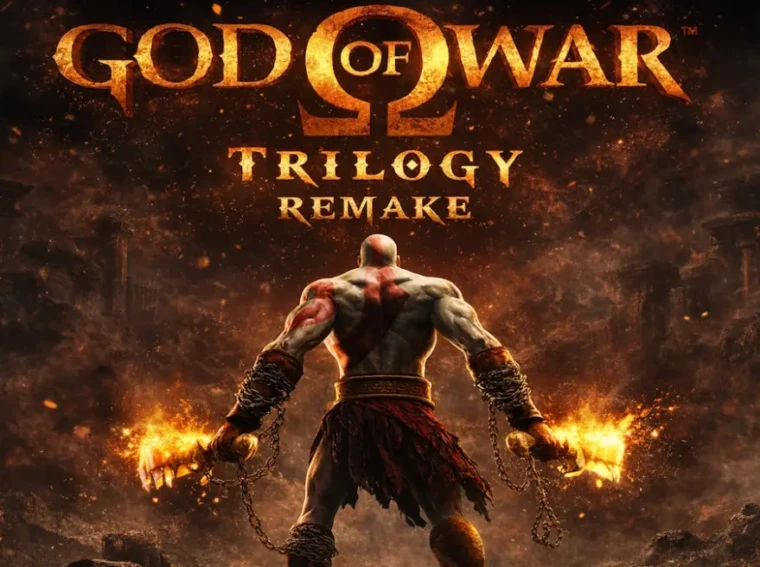
The God of War Trilogy Remake is the headline announcement that dominated post-show discussion. For anyone who grew up with Kratos’s original Greek mythology adventures on PS2 and PS3, this is pure nostalgia bottled and sold with ray-traced lighting. But it’s more than just a trip down memory lane—it’s a complete reimagining of three classic games rebuilt from the ground up for PS5.
Here’s why this matters: the original trilogy defined action gaming for a generation. These games established brutal combat, epic boss battles, and cinematic storytelling as PlayStation hallmarks. But let’s be honest—they’ve aged. The fixed camera angles feel restrictive. The graphics, while impressive at the time, look dated. The gameplay, while solid, lacks the refinement of modern action games.
This remake promises to fix all that while preserving what made these games legendary. It’s not a remaster—it’s a full reconstruction using modern game development tools and philosophy. Think Demon’s Souls Remake, not just an HD texture pack.
Visual Overhaul and Modern Graphics
The trailer footage was stunning. Kratos’s character model has the detail and fidelity of God of War (2018) and Ragnarök, but now applied to his younger, angrier Greek incarnation. The environments—from the deserts of Rhodes to Mount Olympus—have been completely rebuilt with modern lighting, particle effects, and environmental detail.
The combat animations have been mocapped anew. Enemy designs retain their classic look but with modern polygon counts and texture work. The scale of boss battles like the Hydra or Ares maintains the epic feeling while adding visual spectacle impossible on PS2 hardware. Watching Kratos rip through enemies in crisp 4K60fps (or 4K30fps with ray tracing) is going to be glorious.
Gameplay Improvements and Quality of Life
Santa Monica Studio confirmed they’re not just updating visuals—they’re refining gameplay. The camera system is being overhauled, likely adopting something closer to the over-the-shoulder perspective of modern God of War games. Combat is being tightened with improved responsiveness, better enemy AI, and quality-of-life improvements learned from fifteen years of action game evolution.
The fixed camera angles of the original—while cinematic—often frustrated during combat. This remake addresses that without losing the carefully composed setpieces that made the originals special. It’s a delicate balance, but if anyone can pull it off, it’s Santa Monica.
Nostalgia Meets Next-Gen Technology
There’s something magical about experiencing formative gaming memories through modern technology. For older gamers, this trilogy represents some of their best gaming memories. For younger players who came to the franchise through 2018’s soft reboot, this is a chance to experience Kratos’s origin story without the friction of outdated game design.
The DualSense haptic feedback integration was teased in the trailer. Imagine feeling the tension of the Blades of Chaos tearing through enemies, or the haptic rumble as you rip a Gorgon’s head off. The adaptive triggers could add resistance when drawing bowstrings or pulling levers. These aren’t gimmicks—they’re immersion enhancements that make experiencing classic moments feel fresh.
What Fans Can Expect
Release Window and Platform Details
Santa Monica confirmed a late 2026 release window for the first game in the trilogy (likely God of War 1), with the sequels following in 2027 and 2028. This staggered release makes sense—each game is a massive undertaking requiring the care and attention of a full production rather than a quick cash-grab remaster.
Platform-wise, it’s PS5 exclusive at launch, though PC ports are likely 12-18 months later based on Sony’s current strategy. The games will take full advantage of PS5 hardware—SSD for instant loading (goodbye loading screens between realms), 3D audio for positional awareness in combat, and of course, those DualSense features.
Pre-orders haven’t opened yet, but expect them soon. Sony will likely bundle all three games in a collector’s edition with a Kratos statue, art book, and behind-the-scenes documentary about rebuilding these classics.
John Wick Game – Action Comes to Gaming
From Movie to Playable Experience
The John Wick franchise has been begging for a proper video game adaptation for years. The stylized gun-fu combat, the underground assassin world-building, the Continental hotel mythos—it’s all perfect for gaming. We’ve had a few attempts (John Wick Hex, the VR game), but nothing capturing the films’ visceral action satisfyingly. This changes now.
Developed by a AAA studio (the reveal didn’t specify which, though community sleuthing suggests it might be Avalanche Studios or similar action-specialist developer), this isn’t a quick movie tie-in cash grab. This is a full-budget action game built from the ground up to translate the John Wick experience into interactive form.
The reveal trailer showed John in the Continental, gearing up with weapons from the Sommelier, then launching into a brutal combat sequence through neon-lit nightclubs and rainy city streets. The action was smooth, visceral, and most importantly, looked fun to play rather than just pretty to watch.
Gameplay Mechanics and Combat System
Gun-Fu and Tactical Shooting
The combat system is the make-or-break element, and from what we’ve seen, they’re nailing it. The game blends third-person shooter mechanics with melee combat in a fluid system that rewards style and improvisation. You’re not just shooting—you’re chaining together headshots, environmental takedowns, and brutal melee finishers.
The footage showed John transitioning seamlessly from shooting two enemies to disarming a third and using their weapon, then throwing the empty gun at a fourth before retrieving his own pistol for a headshot. It’s the balletic violence the films are famous for, translated into player agency.
Weapon handling looks weighty and impactful. Reloads are tactical moments requiring cover or creating space. Ammunition is limited, encouraging precision and improvisation rather than spray-and-pray. The commitment to authenticity extends to weapon modeling—every gun shown is accurately modeled and handles distinctly.
Stealth and Strategy Elements
Interestingly, the trailer also showed stealth sections. John stalking through environments, taking guards out silently, using the environment to his advantage. This makes sense—the films show John as a tactician, not just a bullet sponge. When he assaults the Red Circle in the first film, he’s methodical and strategic.
The game seems to balance giving players freedom to approach situations differently. Go in guns blazing and face overwhelming odds. Take time to scout, eliminate targets quietly, and thin numbers before the inevitable chaos. The best approach likely blends both—stealth to set up advantageous positions, then explosive violence when discovered.
Setting and Story Details
The game is set in the Continental universe, presumably in the timeline between films (the specific placement wasn’t revealed). The Continental hotel serves as a hub area where you can interact with characters from the franchise, purchase weapons and gear, and accept contracts.
The contract system appears to be the mission structure. You’re taking assassination contracts, each with parameters, bonuses for style, and consequences for violating Continental rules. The underground assassin economy—gold coins, markers, the High Table—all feature prominently, adding depth beyond just shooting.
Voice acting and likeness rights for Keanu Reeves haven’t been confirmed, though the character model in the trailer definitely looks like John Wick. Whether Reeves voiced the character or they used a soundalike remains to be seen. Hopefully they secured him—his performance is integral to the character.
Why John Wick Fans Should Be Excited
This game respects the source material. Too often, movie games feel like cynical cash grabs trading on brand recognition. This feels like a labor of love from developers who understand what makes John Wick special. The attention to detail in gun handling, the integration of franchise lore, and the stylistic presentation all suggest this is being made by fans for fans.
If they nail the combat feel—that perfect flow state where you’re stringing together kills with style and precision—this could be the action game of 2026. The potential is enormous, and from what we’ve seen, they’re on track to deliver.
Other Major Game Reveals
AAA Titles Announced
Beyond the two headliners, several other significant games got their moment:
Horizon Zero Dawn Remastered: Guerrilla Games announced an unexpected remaster of the 2017 classic. This includes visual upgrades matching Forbidden West’s fidelity, improved AI, and quality-of-life improvements. It’s a bit puzzling since the original still looks great, but for new players or those wanting the definitive version, it’s there.
Ghost of Tsushima 2: Sucker Punch finally confirmed the sequel. The trailer was brief but gorgeous—Jin (or a new protagonist—unclear from the trailer) facing a new threat, possibly the Mongols’ second invasion attempt. Release date TBA but likely 2027.
Spider-Man 3: Insomniac teased the next Spider-Man game with a brief cinematic. Venom is confirmed as a major character moving forward from Spider-Man 2’s ending. No gameplay shown, but the hype is real.
Final Fantasy XVI DLC: Square Enix revealed a massive DLC expansion adding 20+ hours of new content, new summons, and continuing Clive’s story. Launches Q2 2026.
Indie Gems Showcased
Sony dedicated time to indie games, and several stood out:
Hollow Knight: Silksong: FINALLY got a release date—June 2026. The internet collectively lost its mind. Gameplay looked as gorgeous and challenging as the original.
Hades II: Supergiant confirmed a late 2026 full release after an extended early access. New gods, new weapons, new gorgeous artwork.
An unnamed pixel-art metroidvania that looked absolutely stunning. Developer name escapes me, but it’s on wishlists now.
PlayStation VR2 Experiences
PSVR2 got attention with several announcements:
Resident Evil 4 VR Mode: Capcom announced VR support for RE4 Remake. This is huge—RE4 VR on Quest 2 was phenomenal; bringing that to PSVR2 with better graphics is exciting.
Horizon Call of the Mountain DLC: New content for the PSVR2 launch title.
A new horror VR game from a Japanese developer (name currently escapes me—the trailer was terrifying though).
The Biggest Surprises
Unexpected Announcements
The God of War Trilogy Remake was the biggest surprise. Nobody predicted this. Rumors existed about God of War 2018 getting DLC or a PS5-only expansion, but a full remake trilogy? That blindsided everyone.
The John Wick game was rumored but not confirmed, so seeing it officially revealed with gameplay was a pleasant shock.
Franchise Revivals
Sly Cooper got a brief teaser. Just a logo and Sly’s silhouette, but it’s confirmation that Sony hasn’t forgotten the franchise. Details TBA, but fans are cautiously optimistic.
Twisted Metal TV series got mentioned with a tie-in game announcement in development. Details sparse, but Twisted Metal is back baby!
New IP Introductions
Sony showcased three new IPs:
Fairgame$: A heist game from the Haven Studios (founded by Jade Raymond). Competitive multiplayer focused on crew-based heists. Divisive reception—some excited, others skeptical of live-service elements.
Concord: A sci-fi shooter from Firewalk Studios. Giving Guardians of the Galaxy vibes. Gameplay looked solid if not revolutionary.
An unnamed fantasy action RPG from a new Sony studio. Brief trailer but looked promising—character action combat in a dark fantasy setting.
Release Dates and Availability
Games Coming in 2026
- Horizon Zero Dawn Remastered (Q2 2026)
- Hollow Knight: Silksong (June 2026)
- Final Fantasy XVI DLC (Q2 2026)
- Hades II (Late 2026)
- God of War Remake (Late 2026)
2027 and Beyond
- John Wick Game (2027)
- Ghost of Tsushima 2 (2027)
- God of War 2 Remake (2027)
- Spider-Man 3 (TBA, likely 2027/2028)
PlayStation Exclusives vs. Multi-Platform
Most announcements were PlayStation exclusive at launch, with PC ports likely 12-24 months later based on Sony’s current strategy. Third-party titles like Final Fantasy XVI DLC remain exclusive for contracted periods.
Graphics and Technical Showcases
PS5 Hardware Pushing Boundaries
Every trailer showcased what PS5 can do. The fidelity is approaching photorealism in some titles. Character models, environmental detail, lighting—everything has reached a level where the gap between CGI cutscenes and gameplay continues narrowing.
Ray Tracing and Performance Modes
Most games confirmed performance options: fidelity modes with ray tracing at 4K30fps, or performance modes at dynamic 4K60fps. Some games (God of War Remake specifically) teased 120fps modes for compatible displays.
Load Times and Immersion Features
The SSD continues eliminating loading screens. Several trailers showed seamless transitions between areas without pauses. DualSense haptic integration is becoming standard rather than a novelty—nearly every game mentioned tactical feedback implementation.
Community Reactions and Social Media Buzz
What Twitter/X Exploded Over
God of War Trilogy Remake dominated conversation. Trending worldwide within minutes. The discourse split between excitement and “do we need this?” debates. Overall sentiment: cautiously hyped.
Silksong getting a date literally broke parts of gaming Twitter. Years of “Silksong when?” memes finally have an answer.
Reddit’s Hot Takes
r/PS5 and r/Games had megathreads with thousands of comments. Discussion ranged from genuine excitement to cynical takes about remakes over new IPs. The John Wick game sparked debate about movie games’ quality.
YouTube Reaction Videos
Gaming YouTubers uploaded reaction compilations within hours. The general consensus: solid showcase with genuine surprises. Better than recent Xbox showcases, on par with Nintendo Directs.
How This State of Play Compares
Previous State of Play Events
This ranks among Sony’s best State of Plays. Previous events sometimes felt padded with minor announcements and DLC. This felt focused and intentional, respecting viewer time while delivering substance.
Xbox Showcase Comparison
Without throwing shade, this felt stronger than recent Xbox showcases. Sony focused on games releasing relatively soon rather than CGI trailers for projects years away. The pacing was better, and the ratio of gameplay to cinematics favored gameplay.
Nintendo Direct Alternative
Nintendo Directs have a different vibe—more whimsical, broader audience. Sony’s approach is more cinematic and mature-focused. Both have their place. This State of Play succeeded at what it intended—showcasing PlayStation’s strength in AAA experiences and curated indie selections.
What Was Missing
Games Fans Hoped to See
- Silent Hill/Metal Gear remakes: Konami’s partnership with Sony hasn’t yielded the hoped-for reveals yet
- Bloodborne PC/Remaster: The forever wish that remains unfulfilled
- New Naughty Dog game: Still in early development, apparently
- GTA VI: Never was likely, but people hoped
Franchises That Stayed Silent
- Uncharted
- The Last of Us (presumably working on Season 2 tie-in content)
- Ratchet & Clank
- Infamous
Third-Party Absences
Some expected third-party reveals didn’t materialize. EA, Ubisoft, and Activision were notably absent, likely saving announcements for their own showcases or Summer Game Fest.
Developer Spotlights
Studios Behind the Biggest Reveals
Santa Monica Studio (God of War), Sucker Punch (Ghost of Tsushima), Insomniac (Spider-Man), and Guerrilla (Horizon) continue being PlayStation’s backbone. These first-party studios consistently deliver quality.
First-Time PlayStation Developers
The John Wick developer (unnamed still—likely Avalanche or similar) represents a new partnership. Haven Studios (Fairgame$) and Firewalk (Concord) are new acquisitions making debuts.
Returning Veteran Teams
Team Cherry (Silksong) and Supergiant (Hades II) maintain relationships with PlayStation despite being third-party indies. Square Enix continues its Final Fantasy partnership.
Pre-Order Information and Special Editions
Collector’s Editions Announced
God of War Trilogy Remake will likely get a premium collector’s edition, though details aren’t finalized. Expect a Kratos statue, steelbook cases, and art books.
Early Access Opportunities
Some games mentioned early access for PlayStation Plus Premium members, continuing Sony’s strategy of adding value to their subscription service.
Pre-Order Bonuses Worth Noting
Specific pre-order bonuses weren’t detailed yet, but expect cosmetic items, early weapons, or digital soundtracks as standard offerings.
The Future of PlayStation Gaming
What This Lineup Means for PS5
This showcase confirms PlayStation’s commitment to big-budget exclusives and curated experiences. While Xbox pivots toward Game Pass and multi-platform availability, Sony doubles down on must-have exclusives driving hardware sales.
Cloud Gaming Integration
Several games mentioned cloud gaming options for PlayStation Plus Premium subscribers, allowing streaming to compatible devices without downloads.
PlayStation Plus Premium Benefits
The subscription service increasingly includes game trials, early access, and classic game libraries. This State of Play reinforced Plus as central to PlayStation’s strategy.
Conclusion
Sony’s latest State of Play reminded everyone why PlayStation remains the dominant force in console gaming. From the shocking God of War Trilogy Remake to the stylish John Wick game, from long-awaited indie darlings finally getting release dates to exciting new IPs, this showcase delivered substance over flash. The 40-minute presentation felt like 10 minutes—a testament to pacing, editing, and the genuine quality of announcements.
The God of War Trilogy Remake alone would’ve made this event memorable, but Sony stacked it with enough quality reveals to fuel conversation for months. Whether you’re a PlayStation die-hard, a casual gamer, or even someone who primarily games elsewhere, you have to respect the lineup Sony’s building. The combination of nostalgic remakes, franchise continuations, and fresh experiences creates something for everyone.
As we head deeper into 2026, PlayStation’s release calendar looks stacked. The competition between Sony, Microsoft, and Nintendo benefits gamers—each platform pushes the others to be better. This State of Play was Sony’s statement that they’re not resting on PS5’s commercial success. They’re investing in games, experiences, and innovations that make PlayStation the place to play. Mission accomplished.
FAQs
1. When is the God of War Trilogy Remake releasing?
The God of War Trilogy Remake is being released as three separate games over three years. The first game (God of War 1) is scheduled for late 2026, with God of War 2 following in 2027, and God of War 3 concluding the trilogy in 2028. This staggered release allows Santa Monica Studio to give each game the full development attention it deserves rather than rushing out a compilation. The games will be PS5 exclusive at launch, with PC ports likely following 12-18 months later based on Sony’s current multiplatform strategy. Pre-orders haven’t opened yet, but expect them several months before the first game’s release.
2. Is the John Wick game coming to Xbox and PC?
The John Wick game was announced during PlayStation’s State of Play, but platform exclusivity wasn’t explicitly confirmed. Based on the presentation and Sony’s typical announcement patterns, it’s likely either a timed PlayStation exclusive or potentially a console exclusive for PlayStation with a simultaneous PC release. The developer hasn’t been officially named yet, which makes determining platform availability difficult. Given John Wick’s broad appeal and Lionsgate’s likely desire to maximize audience, a full exclusive seems unlikely—expect PlayStation exclusivity for 6-12 months before expanding to Xbox and PC. Official platform confirmation should come as we get closer to the 2027 release window.
3. Which games from the State of Play are releasing in 2026?
Several games confirmed for 2026 release: Horizon Zero Dawn Remastered (Q2 2026), Final Fantasy XVI DLC expansion (Q2 2026), Hollow Knight: Silksong (June 2026 confirmed date), Hades II full release (late 2026 after extended early access), and God of War Remake (late 2026). Additional games shown will likely release in 2026 but without confirmed dates yet, while major titles like John Wick, Ghost of Tsushima 2, and Spider-Man 3 target 2027 or beyond. The 2026 lineup is solid even without the 2027+ games, showing PlayStation’s commitment to consistent first-party releases rather than long droughts between major exclusives.
4. Will the God of War Trilogy Remake include all the original games’ content?
While full details haven’t been released, Santa Monica Studio confirmed this is a comprehensive remake including all main campaign content from the original trilogy. This means God of War 1, 2, and 3’s complete stories, bosses, and gameplay sequences rebuilt from scratch. Whether this includes bonus content like challenge modes, behind-the-scenes features, or additional DLC from various editions hasn’t been specified. The studio emphasized this isn’t just a remaster (upgraded textures and resolution) but a full remake built in a modern engine with updated gameplay, camera systems, and quality-of-life improvements while preserving the original games’ spirit. Expect more details as we approach the late 2026 release of the first game.
5. How does this State of Play compare to previous PlayStation showcases?
This ranks among PlayStation’s strongest State of Play presentations. Previous events sometimes felt padded with minor DLC announcements and indie games that didn’t generate much excitement. This presentation maintained focus and momentum—approximately 40 minutes packed with genuine surprises (God of War Trilogy Remake), long-anticipated announcements (Silksong release date), exciting new IPs, and solid gameplay footage rather than just CGI trailers. The pacing was excellent, the ratio of gameplay to cinematics favored actual game footage, and the variety appealed to different gaming preferences. Compared to Xbox’s recent showcases, Sony focused on games releasing within 12-18 months rather than projects years away. Compared to Nintendo Directs, Sony’s presentation was more cinematic and mature-audience focused. Overall, this succeeded at what Sony intended—demonstrating PlayStation’s strength in AAA exclusives and curated experiences.