
What Makes Sons of Sparta Different
A New Chapter in the God of War Saga
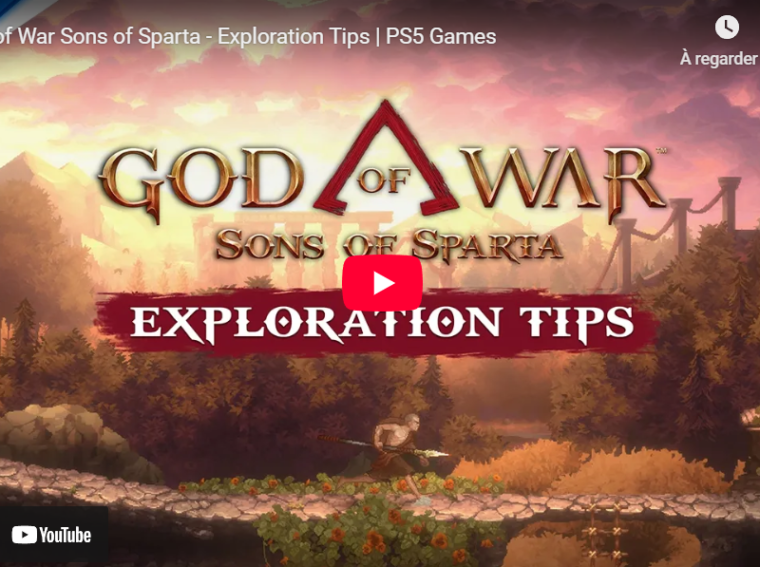
God of War: Sons of Sparta takes the legendary franchise back to its roots while embracing everything that made the Norse saga so compelling. This isn’t just another sequel—it’s a reimagining of Kratos’s origins with modern gameplay sensibilities. The trailer showcases a younger, angrier Kratos navigating the political intrigue and brutal warfare of ancient Sparta, and honestly? It looks absolutely phenomenal.
What immediately stands out is how Santa Monica Studio has evolved their approach to world design. The glimpses we see in the trailer suggest a more expansive, interconnected world than previous Greek-era games. You’re not just moving through linear corridors between setpiece battles—you’re exploring a living, breathing Sparta with secrets tucked into every corner. The attention to detail is staggering, from the dusty training grounds where Spartan warriors drill to the marble temples overlooking the city.
Exploring Ancient Sparta
The exploration aspect seems central to Sons of Sparta’s identity. The trailer teases vast battlefields, dense forests surrounding the city-state, and underground catacombs filled with mysteries. Unlike the fixed-camera perspective of the original trilogy, Sons of Sparta adopts the over-the-shoulder camera from the Norse games, giving you unprecedented control over where you look and what you investigate.
This isn’t just about beautiful vistas—it’s about environmental storytelling. Every statue tells a story. Every crumbling wall hints at Sparta’s violent history. The trailer shows Kratos examining murals depicting the city’s mythology, suggesting that exploration rewards you with narrative depth rather than just loot. For fans who love piecing together lore, this is going to be heaven.
Understanding the Exploration Mechanics
Open-World vs. Linear Progression
From what the trailer reveals, Sons of Sparta seems to blend open-world freedom with curated, linear story moments. You’ll have central hubs—Sparta itself appears to be the primary one—from which you can venture into surrounding territories. Think of it like God of War (2018)’s Lake of Nine structure but applied to ancient Greece.
The beauty of this approach is that you can pursue side content at your own pace without feeling overwhelmed by Ubisoft-style icon overload. The trailer shows subtle environmental cues rather than overwhelming map markers. A distant column of smoke might indicate a hidden area. A barely visible path behind a waterfall could lead to treasure. It’s exploration that rewards curiosity rather than checklist completion.
Environmental Storytelling
Santa Monica has always excelled at environmental storytelling, and the trailer suggests they’re doubling down on this strength. One scene shows Kratos walking through a battlefield frozen mid-combat—warriors turned to stone, weapons still raised. This isn’t just atmospheric; it’s narrative. What happened here? What force could petrify an entire army?
These environmental stories make exploration meaningful. You’re not just collecting baubles—you’re uncovering the dark secrets of Spartan history and mythology. The trailer hints at consequences to your discoveries, suggesting that what you find while exploring might actually impact the main narrative. This interconnectedness transforms exploration from optional busywork into essential world-building.
Essential Exploration Tips for Beginners
Follow the Ravens
What the Ravens Reveal
The trailer shows ravens—likely Odin’s influence persisting from the Norse saga or perhaps Greek equivalents—circling above points of interest. These aren’t just decorative wildlife; they’re your exploration guides. When you spot ravens circling, investigate that area thoroughly. They typically indicate hidden chests, lore collectibles, or optional challenges.
The smart move is treating ravens as breadcrumbs rather than definitive markers. They’ll point you in the right direction, but actually finding what they’re indicating requires observation and problem-solving. Look for uneven stonework that might hide a passage, or listen for the telltale sound of a hidden mechanism.
Hidden Paths and Secrets
The trailer includes several blink-and-you’ll-miss-them moments showing Kratos squeezing through narrow crevices or climbing seemingly unclimbable walls. These hidden paths are everywhere if you’re paying attention. Look for:
- Discolored sections of wall that might be climbable
- Gaps between structures barely wide enough to squeeze through
- Ledges that appear out of reach but can be accessed via clever traversal
- Breakable walls marked by subtle cracks
Use Your Senses
Audio Cues for Collectibles
The DualSense controller’s 3D audio capabilities shine during exploration. The trailer’s sound design suggests you’ll hear collectibles before seeing them—a faint chime indicating a nearby lore marker, or the distinctive sound of legendary chests. Don’t just rely on visual scanning; listen carefully as you explore.
Pay special attention to changes in the soundtrack. When the music shifts to a more mysterious or ominous tone, you’re likely near something worth investigating. Santa Monica uses audio to guide players subtly, rewarding those who engage with the full sensory experience.
Visual Markers You Shouldn’t Miss
While the game avoids overwhelming you with UI markers, the trailer shows clear visual language for interactive elements:
- Gold/yellow paint on ledges indicates climbable surfaces
- Chains that look structurally important can probably be pulled or climbed
- Suspiciously placed explosive urns near cracked walls… well, you know what to do
- Shimmering effects around interactable objects
Navigating Sparta’s Dangerous Terrain
Climbing and Traversal Tips
The traversal mechanics look more fluid than ever. The trailer shows Kratos seamlessly transitioning from climbing to ledge-grabbing to jumping without the clunkiness that sometimes plagued earlier entries. When exploring vertical spaces, look up constantly. Some of the best secrets are hidden above eye level where casual players won’t think to check.
A helpful tip visible in the trailer: when you see birds or other wildlife perched on seemingly inaccessible ledges, there’s probably a way up there. Nature doesn’t lie—if animals can reach it, so can Kratos.
Water Exploration and Swimming
One trailer sequence shows Kratos diving into water, suggesting underwater exploration plays a role. Unlike some games where water sections are tedious, the glimpses we see suggest meaningful content below the surface—perhaps sunken ruins or submerged passages connecting different areas.
When you spot bodies of water, don’t just swim past. Dive down and explore thoroughly. The limited visibility and oxygen mechanics (if they exist) will create tension, but the rewards—unique collectibles and hidden areas—justify the risk.
Underground Passages
The catacombs shown in the trailer look appropriately creepy and maze-like. These underground sections likely require careful navigation to avoid getting lost. The tip here: mark your path mentally using environmental landmarks. A distinctively shaped pillar, a specific statue, or unique wall markings can serve as navigation points.
The trailer hints that underground areas hide some of the game’s best gear and most challenging optional content. Don’t rush through—these areas reward thorough exploration.
Finding Hidden Treasures and Collectibles
Legendary Chests Location Strategy
Legendary chests—the iconic locked containers holding the best gear—appear throughout the trailer in tantalizingly difficult-to-reach locations. The pattern seems consistent with previous games: legendary chests are always placed somewhere that requires solving an environmental puzzle or defeating a challenging enemy encounter.
When you spot a legendary chest, don’t expect to grab it immediately. Survey the entire area. What mechanisms are present? Are there levers, weight plates, or destructible barriers? The solution is always nearby, but it requires observation and experimentation.
Lore Markers and Story Fragments
The trailer shows Kratos interacting with stone tablets and murals. These lore collectibles flesh out Spartan history, mythology, and Kratos’s own backstory. For lore enthusiasts, these are treasures more valuable than any weapon upgrade.
The tip for finding these: they’re often placed in locations with narrative significance. A temple dedicated to a specific god, a battlefield with historical importance, or a home with personal connection to Kratos—these locations likely hide lore collectibles that contextualize what happened there.
Artifacts Worth Hunting
Beyond generic collectibles, the trailer suggests unique artifacts with special significance. These might be weapons used by famous Spartan warriors, personal items belonging to Kratos’s family, or relics from Greek myths. These artifacts likely trigger unique dialogue or unlock special content, making them worth prioritizing.
Combat Encounters During Exploration
Dealing with Ambushes
The open world means danger lurks everywhere. The trailer shows Kratos being ambushed by enemies while exploring, suggesting that wandering off the beaten path comes with risk. The key to surviving ambushes: stay aware of your surroundings. If an area seems suspiciously quiet, enemies are probably waiting.
Environmental advantages are your friend during unexpected fights. Use cliffs to kick enemies off, explosive barrels to damage groups, or narrow passages to funnel attackers and prevent being surrounded.
Optional Boss Fights
One trailer moment shows what appears to be an optional mini-boss—a massive creature blocking a passage. These optional encounters likely guard the best exploration rewards. The tip: don’t engage unless you’re confident in your current gear and abilities. There’s no shame in marking the location and returning later when you’re stronger.
Resource Management While Exploring
The trailer shows Kratos collecting resources—hacksilver equivalents, crafting materials, and health items—while exploring. Managing these resources is crucial for extended exploration sessions. Don’t use your best healing items on random encounters; save them for when you really need them during tough optional fights or when you’re far from save points.
Advanced Exploration Techniques
Backtracking for Late-Game Gear
One of the trailer’s most interesting hints is a clearly inaccessible area—a passage blocked by a mechanism Kratos can’t activate yet. This suggests Metroidvania-style progression where abilities gained later unlock previously inaccessible areas.
The tip: mentally note areas you can’t access and return once you’ve acquired new abilities. These areas typically contain the game’s best gear and most significant secrets. Keep a mental (or actual) checklist of locations to revisit.
Environmental Puzzles
The trailer showcases several environmental puzzles—redirecting light beams, arranging statues in specific patterns, and manipulating water levels. These puzzles gate the best rewards and require actual problem-solving rather than just button mashing.
When facing a puzzle, step back and observe the entire area. What elements are interactive? What’s the end goal? The solutions are always logical, but they require seeing the big picture rather than hyperfocusing on individual components.
Time-of-Day Secrets
One intriguing trailer moment shows the same location at different times—suggesting a day/night cycle might affect exploration. Certain enemies might only appear at night, or specific collectibles might only be accessible during certain times. If you’ve thoroughly explored an area during the day and found nothing, try returning at night.
Making the Most of Your PS5 Hardware
Fast Travel and Loading Times
The PS5’s SSD means near-instant fast travel. The trailer hints at fast travel points throughout the world—probably represented by statues or specific landmarks. Use these liberally. There’s no penalty for fast traveling, and it saves time when you want to revisit areas or return to Sparta to upgrade gear.
DualSense Features During Exploration
The DualSense controller’s haptic feedback will enhance exploration immensely. The trailer suggests you’ll feel different terrain types through the controller—the crunch of gravel, the smoothness of marble floors, the squelch of muddy paths. These tactile cues help with immersion and might even provide gameplay information about your environment.
The adaptive triggers likely engage during climbing or when pulling mechanisms, adding physical feedback that makes exploration feel more visceral.
Performance vs. Fidelity Mode for Exploration
For exploration-focused play, performance mode (likely 60fps at dynamic 4K) is recommended. The smoother frame rate makes platforming and combat more responsive. Fidelity mode (4K30fps with ray tracing) looks gorgeous but the responsiveness sacrifice isn’t worth it during active gameplay. Save fidelity mode for photo mode captures of the stunning vistas you’ll discover.
Conclusion
God of War: Sons of Sparta looks like it’s taking everything that worked about the Norse saga’s exploration and applying it to the rich mythology and history of ancient Sparta. The trailer reveals a world dense with secrets, environmental storytelling, and meaningful exploration that rewards curiosity and thoroughness. From the ravens guiding you toward hidden treasures to the environmental puzzles gating legendary gear, every element seems designed to make exploration feel purposeful rather than perfunctory.
The tips we’ve covered—following audio and visual cues, thoroughly investigating every suspicious area, managing resources carefully, and utilizing your PS5 hardware features—will help you uncover every secret Sparta holds. But remember: the best exploration tip is simply to slow down and engage with the world Santa Monica has created. Don’t rush through areas chasing quest markers. Stop and appreciate the environmental storytelling. Listen to the ambient dialogue. Read the lore collectibles. The richest rewards in Sons of Sparta will come not from efficiently clearing areas but from genuinely exploring them with curiosity and attention. This is a world crafted with incredible care, and it deserves to be experienced at your own pace, on your own terms.
FAQs
1. Is God of War: Sons of Sparta a prequel or sequel?
Based on the trailer, God of War: Sons of Sparta appears to be a prequel exploring Kratos’s earlier years in Sparta before the events of the original God of War trilogy. The game shows a younger Kratos navigating Spartan society, suggesting this explores his origins as a warrior and his relationship with Sparta itself. This isn’t a sequel to God of War Ragnarök but rather a return to Greek mythology with modern gameplay mechanics learned from the Norse saga. The trailer indicates this will bridge the gap between Kratos as a legendary Spartan general and the god-killing warrior we know from the original trilogy.
2. How does exploration in Sons of Sparta differ from God of War (2018) and Ragnarök?
Sons of Sparta seems to expand on the exploration formula established in the Norse games while adapting it to ancient Greece. Instead of the Lake of Nine serving as a central hub, Sparta itself appears to be the main hub with surrounding territories to explore. The trailer suggests a denser, more vertically designed world with emphasis on environmental storytelling through Spartan history and architecture. Unlike the sometimes sparse Norse realms, Sparta appears packed with hidden passages, underground areas, and secrets integrated naturally into the environment. The exploration feels less guided by overt map markers and more by environmental cues, audio hints, and visual storytelling, rewarding observant players who engage deeply with the world.
3. What new abilities or mechanics help with exploration?
While the trailer doesn’t explicitly showcase all new abilities, several exploration mechanics appear enhanced or new. The climbing and traversal look more fluid with smoother transitions between actions. Swimming and underwater exploration seem more prominent than in previous games. The trailer hints at abilities that unlock previously inaccessible areas—possibly magic-based or tool-based solutions to environmental obstacles. The DualSense integration suggests haptic feedback will provide exploration cues, helping you feel environmental differences that might indicate hidden paths. Ravens appear to serve as organic waypoint systems guiding you toward secrets without overwhelming the HUD with markers.
4. Are there missable collectibles or can you return to areas later?
The trailer suggests a Metroidvania-style structure where some areas are inaccessible until you gain specific abilities or tools, meaning you’ll naturally return to previous locations. This design philosophy implies collectibles aren’t permanently missable—you can backtrack once you have the necessary abilities. The fast travel system shown (likely via statues or landmarks) facilitates returning to previous areas without tedium. However, it’s unclear if any story-specific areas become inaccessible after certain plot points, though modern God of War games typically allow post-game cleanup of all collectibles. The safe assumption: you can return to areas, but taking thorough notes of inaccessible locations during first visits will help when you return with new abilities.
5. How does PS5 hardware improve the exploration experience?
The PS5’s SSD enables near-instant loading, meaning no lengthy waits when fast traveling between locations or entering new areas. This makes exploration less tedious—you can quickly return to Sparta to upgrade gear or fast travel to distant locations without loading screen interruptions. The DualSense controller’s haptic feedback provides tactile information about your environment—feeling different terrain types, sensing hidden mechanisms through vibrations, or feeling the tension of adaptive triggers while climbing or pulling mechanisms. The 3D audio helps locate collectibles and secrets through spatial sound cues. The graphical fidelity (whether in performance or fidelity mode) makes environmental details clearer, helping you spot subtle visual cues indicating hidden paths or interactive objects. Combined, these features make exploration more immersive, responsive, and rewarding than on previous hardware generations.