Welcome to the World of Competitive Gaming
Ever watched someone dominate in a video game and thought, “I could do that”? Or maybe you’ve heard about teenagers winning millions playing video games and wondered how they got there? Welcome to eSports—the fastest-growing phenomenon in entertainment where gaming isn’t just a hobby, it’s a legitimate competitive sport with millions of fans, massive prize pools, and career opportunities.
In 2026, eSports tournaments are more accessible than ever. You don’t need to be a gaming prodigy or have years of experience to start competing. What you need is passion, dedication, and the right guidance to navigate this exciting world. Whether you’re dreaming of going pro or just want to test your skills against other players, this beginner’s guide to eSports tournaments will give you everything you need to take your first steps into competitive gaming.
Let’s jump in and discover how you can transform from a casual player into a competitive gamer.
What Are eSports Tournaments?
Understanding Competitive Gaming
eSports tournaments are organized competitions where players or teams compete in video games for prizes, glory, and bragging rights. Just like traditional sports have leagues, championships, and tournaments, eSports has structured competitive ecosystems where the best players face off to prove who’s the greatest.
These competitions range from small online brackets with a dozen players to massive international championships filling stadiums with thousands of cheering fans. Games played competitively span every genre—strategy games, shooters, fighting games, sports simulations, and more. If a game has skill expression and competitive depth, chances are there’s a tournament scene around it.
How eSports Tournaments Work
eSports tournaments typically follow established formats. Players or teams register for an event, compete through brackets or group stages, and advance by winning matches. Depending on the game and tournament size, this might happen over a single day or span weeks and months.
Most tournaments use standardized rule sets specific to each game. These rules ensure fair competition—banned exploits, approved settings, match formats, and dispute resolution procedures. Tournaments are often organized by game developers, third-party organizers, or community members. The structure ensures that the best players rise to the top through skill rather than luck.
The Rise of eSports in 2026
From Basement Battles to Stadium Spectacles
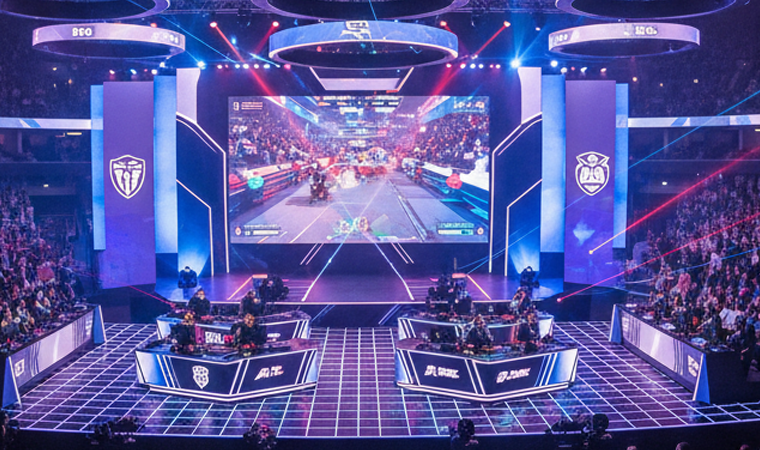
eSports has come incredibly far. What started as friends competing in arcades and LAN parties has evolved into a multi-billion dollar global industry. In 2026, eSports tournaments fill arenas that traditionally hosted basketball games and concerts. Millions watch live on streaming platforms, with production values rivaling traditional sports broadcasts.
The legitimacy of competitive gaming is undeniable now. Universities offer eSports scholarships. Countries issue athlete visas for professional players. Mainstream media covers major tournaments. Gaming organizations operate like professional sports franchises with coaches, analysts, and training facilities. The basement gamers of the past have become today’s stadium-filling superstars.
Prize Pools and Professional Players
The money in eSports is staggering. Major tournaments offer prize pools in the millions of dollars. The International, Dota 2’s championship, has exceeded $40 million in total prizes. League of Legends’ World Championship, Counter-Strike majors, and Fortnite’s competitions all offer life-changing money to winners.
Professional eSports players earn salaries from organizations, receive sponsorship deals, make money from streaming, and compete for tournament prizes. Top players earn hundreds of thousands or even millions annually. While not everyone reaches these heights, thousands of players worldwide make comfortable livings from competitive gaming—a career path that didn’t exist twenty years ago.
Best eSports Games for Beginners
League of Legends and MOBA Games
League of Legends remains one of the most popular eSports games and offers an accessible entry point for aspiring competitors. This multiplayer online battle arena (MOBA) game pits two teams of five against each other, with players controlling unique champions trying to destroy the enemy base.
What makes League great for beginners is its massive player base ensuring matches at every skill level and extensive educational content. The learning curve is steep, but the ranked ladder provides clear progression. Thousands of amateur tournaments exist for new players to test themselves. Other MOBAs like Dota 2 and Mobile Legends also have thriving competitive scenes.
Counter-Strike 2 and Tactical Shooters
Counter-Strike has been a competitive gaming cornerstone for over two decades. Counter-Strike 2, released in 2023, continues this legacy with modernized graphics and gameplay. This tactical shooter requires teamwork, precise aim, strategy, and game sense—skills that transfer across many competitive games.
CS2’s appeal for beginners lies in its straightforward premise: terrorists plant bombs, counter-terrorists stop them. The depth emerges through weapon mechanics, map knowledge, economy management, and team coordination. Thousands of tournaments at all skill levels exist, from complete amateur to professional tier. If you want to develop strong fundamentals applicable across competitive gaming, tactical shooters are excellent starting points.
Rocket League: Soccer Meets Racing
Rocket League uniquely blends soccer with rocket-powered cars, creating something entirely its own. The concept is simple—use your car to hit a ball into the opponent’s goal—but the skill ceiling is incredibly high. Aerial maneuvers, precise timing, and teamwork create depth that keeps the game fresh after thousands of hours.
For beginners, Rocket League is appealing because matches are short (five minutes), the mechanics are intuitive to understand, and improvement feels tangible. The game has robust competitive infrastructure from casual ranked modes to professional leagues. It’s one of the best eSports games for beginners who want something different from traditional gaming genres.
Fighting Games: Street Fighter and Tekken
Fighting games represent the purest form of competitive gaming—one player versus another in direct combat. Street Fighter, Tekken, Mortal Kombat, and others have dedicated competitive communities. These games require memorizing combos, understanding frame data, reading opponents, and executing precise inputs under pressure.
Fighting games are uniquely challenging but rewarding. Success depends entirely on your individual skill, making improvement feel personal and satisfying. Local fighting game communities are welcoming, with veteran players often helping newcomers improve. If you prefer competing individually rather than in teams, fighting games offer some of the most intense competitive experiences available.
Battle Royale Games: Fortnite and Apex Legends
Battle royale games exploded in popularity and established competitive scenes. Fortnite, Apex Legends, and PUBG drop 100 players onto maps where only one player or team survives. These games blend shooting skills, strategy, positioning, and sometimes building mechanics into chaotic competitions.
For beginners, battle royales offer accessible entry points—you can jump into matches immediately and learn through experience. The randomness means even new players occasionally have great performances, while skill expression allows better players to consistently win. Competitive battle royale formats range from placement-based scoring to elimination-focused tournaments, offering variety in competitive experiences.
How to Join eSports Tournaments
Starting with Online Tournaments
The easiest way to join eSports tournaments is through online competitions. These tournaments happen regularly, often daily or weekly, across all popular competitive games. They’re perfect for beginners because there’s no travel required, entry is usually free or low-cost, and the stakes are low enough that mistakes become learning opportunities.
Online tournaments let you experience competitive environments from home. You’ll learn to handle pressure, follow tournament rules, manage time constraints, and deal with wins and losses—all crucial experience for competitive gaming. Start here before investing in travel or higher-stakes competitions.
Using Tournament Platforms
Several platforms specialize in organizing eSports tournaments. Battlefy, Challengermode, Toornament, and game-specific platforms host thousands of competitions monthly. These websites make registration simple—create an account, find tournaments for your game and skill level, register, and compete when matches begin.
These platforms typically offer automated bracket management, match scheduling, and dispute resolution. They track your competitive history, building a record of your tournament performances. Many also offer tutorials on how tournaments work, making them perfect for complete beginners wondering how to join eSports tournaments.
Finding Local Gaming Communities
Don’t overlook local competitive gaming. Many cities have gaming cafes, LAN centers, or community organizations hosting weekly tournaments. These local events provide face-to-face competition and opportunities to network with other players in your area.
Local tournaments are incredibly valuable for beginners. You can watch better players in person, ask questions, find teammates, and build friendships in the competitive gaming community. Many professional players started at local tournaments before progressing to regional, national, and international competitions. Check Facebook groups, Discord servers, or gaming cafes in your area for local events.
Entering Your First Competition
Ready for your first tournament? Here’s what to expect. Registration usually happens days or weeks before the event. You’ll provide your in-game username and contact information. Closer to tournament day, you’ll receive information about check-in procedures, match start times, and rules.
Arrive early (or log in early for online tournaments) to handle any technical issues. Familiarize yourself with rules—each tournament may have specific settings or restrictions. Don’t stress about winning your first tournament. Focus on the experience: competing under pressure, following tournament formats, and learning what competitive play feels like. Every professional started with their first nervous tournament—this is your beginning.
Essential Skills for Competitive Gaming
Mechanical Skills and Muscle Memory
Mechanical skill refers to your ability to execute game actions quickly and accurately. In shooters, this means precise aim. In fighting games, it’s combo execution. In MOBAs, it’s last-hitting minions and landing skill shots. These mechanics require muscle memory developed through thousands of repetitions.
Building mechanical skill takes deliberate practice. Identify your weakest mechanics and drill them specifically. Aim trainers help shooter players. Practice mode in fighting games lets you perfect combos. Custom games in MOBAs help practice last-hitting. Consistent daily practice builds the muscle memory that separates good players from great ones.
Game Sense and Strategy
Game sense is understanding what’s happening in a match beyond what’s immediately visible. It’s predicting opponent movements, knowing when to push advantages, recognizing when you’re in danger, and making smart strategic decisions. Game sense develops through experience and studying how games work at deeper levels.
Improving game sense requires active thinking while playing. Ask yourself: Where are opponents likely positioned? What are they trying to accomplish? What should my team do next? Watch replays analyzing your decision-making. Study professional matches seeing how top players read situations. Game sense separates players who rely purely on mechanics from those who truly master their games.
Communication and Teamwork
Team-based eSports demand effective communication. Calling out enemy positions, coordinating strategies, and giving encouragement to teammates are crucial skills. Good communication isn’t just talking—it’s providing relevant information concisely when teammates need it.
Practice clear, calm communication. Avoid cluttering voice chat with unnecessary comments. Be positive—toxic communication destroys team performance. Listen as much as you talk. Developing strong communication skills makes you a valuable teammate, increasing your chances of finding good teams and succeeding in competitive gaming.
Mental Toughness and Composure
Competitive gaming is mentally demanding. You’ll face losing streaks, toxic opponents, stressful comebacks, and pressure situations where everything’s on the line. Mental toughness—the ability to stay focused and composed regardless of circumstances—often determines who wins close matches.
Build mental toughness by maintaining perspective. One loss doesn’t define you. Focus on what you can control—your performance, attitude, and effort. Take breaks when frustrated. Develop routines that help you stay calm. The best competitors aren’t just mechanically skilled; they’re mentally unshakeable when pressure mounts.
Tips for Competitive Gaming Success
Practice with Purpose
There’s a massive difference between playing games and practicing. Playing for fun is valuable for enjoyment and maintaining passion, but improvement requires purposeful practice. This means identifying specific weaknesses, drilling them deliberately, and seeking feedback on your performance.
Structure practice sessions around concrete goals. Spend thirty minutes on aim training, then play ranked matches focusing on positioning. Record and review your gameplay noting mistakes. Quality practice is more valuable than quantity—two focused hours beats eight hours of mindless grinding. Be intentional about improvement, and you’ll progress much faster than players who simply play a lot without focus.
Watch and Learn from Professionals
Professional players are living textbooks. Watching their streams and match VODs reveals how the best players think, position themselves, manage resources, and execute strategies. You’ll learn techniques, strategies, and approaches you’d never discover on your own.
When watching professionals, actively analyze their decisions. Why did they rotate there? How did they know an opponent was flanking? What did they prioritize in that situation? Many pros explain their thought processes while streaming. Take notes. Try implementing what you learn in your own games. Learning from those who’ve already mastered the game accelerates your development dramatically.
Find Your Role and Master It
In team games, players typically specialize in specific roles—support, tank, damage dealer, entry fragger, in-game leader. Find which role suits your strengths and preferences, then master it. Specialization lets you develop deep expertise rather than being mediocre at everything.
Once you’ve chosen a role, study it intensely. Learn optimal strategies, champion/agent/character pools, positioning, and responsibilities. Become so proficient in your role that teammates trust you completely. Specialists who excel in one role are more valuable to teams than generalists who play everything adequately.
Manage Tilt and Emotions
“Tilt” is when frustration affects your performance, causing poor decisions and emotional play. Every competitive gamer experiences tilt, but managing it separates winners from losers. Recognize when you’re tilted—playing aggressively recklessly, blaming teammates, or feeling frustrated.
When tilted, take breaks. Walk away from the game for fifteen minutes. Get water, stretch, do something different. Return only when you’ve mentally reset. Some players use breathing exercises or positive self-talk. Find what works for you. Consistency requires controlling emotions so you perform well regardless of how matches are going.
Equipment and Setup for Competitive Gaming
Gaming PC or Console Requirements
Competitive gaming requires hardware capable of running games smoothly. High frame rates (144+ FPS) and low input lag are crucial for competitive performance. For PC gamers, this typically means mid-range to high-end gaming computers with modern GPUs, fast CPUs, and sufficient RAM.
Console gamers need current-generation systems—PlayStation 5 or Xbox Series X for most competitive console games. Many competitive titles target 120 FPS on modern consoles, providing smooth performance. Whether PC or console, prioritize hardware that runs your chosen game at high frame rates consistently. Hardware limitations shouldn’t hold back your competitive potential.
Monitor, Mouse, and Keyboard Essentials
Peripherals matter significantly in competitive gaming. Monitors should have high refresh rates (144Hz minimum, 240Hz+ preferred) and low response times. Gaming mice need precise sensors, comfortable ergonomics, and appropriate weight. Mechanical keyboards provide better responsiveness and durability than membrane keyboards.
You don’t need the most expensive equipment, but budget for quality peripherals. A good mouse ($50-80) and keyboard ($70-120) dramatically improve your experience. A 144Hz monitor ($200-300) provides noticeable advantages in fast-paced games. These investments pay dividends in comfort and performance over years of competitive gaming.
Audio Equipment for Communication
Clear communication requires quality audio equipment. A decent gaming headset ($60-150) provides both game audio and microphone for team communication. Separate headphones and microphones offer better quality but cost more and require additional setup.
Your microphone should clearly capture your voice without excessive background noise. Teammates need to understand you during intense moments. Good headphones let you hear important game sounds—footsteps, ability cues, reload sounds—that provide competitive information. Don’t overlook audio; it’s crucial for both communication and in-game awareness.
Internet Connection Quality
Stable, fast internet is non-negotiable for competitive gaming. Wired Ethernet connections are strongly preferred over WiFi for stability and lower latency. Aim for at least 25 Mbps download and 10 Mbps upload speeds, though faster is better. Low ping (under 50ms) to game servers is crucial.
If your internet is unreliable, competitive gaming becomes frustrating. Lag spikes during important moments cost matches. Consider upgrading your internet package if necessary, and always use wired connections when possible. Reliable internet is as important as any physical equipment for competitive gaming success.
Understanding Tournament Formats
Single Elimination vs. Double Elimination
Single elimination is straightforward—lose once, you’re out. Winners advance through brackets until one team remains. This format is fast but unforgiving. One bad match, one mistake, and your tournament ends immediately.
Double elimination gives players a second chance. Losing drops you to the “lower bracket” where you continue competing. Only after losing twice are you eliminated. Winners bracket winners eventually face lower bracket survivors in finals. This format better determines the true best team since one bad match doesn’t eliminate good teams permanently.
Round Robin Tournaments
Round robin formats have everyone play everyone else, with standings determined by overall record. These tournaments reward consistency over peak performance. There’s no unlucky bracket—you face all opponents, proving yourself against the entire field.
Round robin works well for smaller tournaments (under 16 participants) where time allows everyone to play multiple matches. Larger round robins become time-prohibitive, so they’re often used for group stages that feed into elimination brackets for finals.
Swiss System Explained
Swiss system combines benefits of round robin and elimination. Players are paired each round against opponents with similar records—winners face winners, losers face losers. After predetermined rounds, top performers advance to playoff brackets.
This format is efficient for large tournaments. Everyone plays multiple matches regardless of record, but you don’t play everyone. Better players face increasingly difficult opponents, while those struggling play similarly-skilled players. Many major eSports events use Swiss systems for group stages.
Ladder and League Formats
Ladders are ongoing competitions where players challenge others to matches. Winning moves you up the ladder; losing drops you down. Rankings are continuously updated, creating persistent competitive environments.
Leagues feature regular seasons where teams play scheduled matches over weeks or months. Standings determine playoff seeding. This format mirrors traditional sports leagues and is used by professional eSports organizations. Leagues provide consistent competition and allow storylines to develop throughout seasons.
Building Your Competitive Gaming Mindset
Setting Realistic Goals
Goal-setting is crucial for competitive gaming progression. Set both short-term and long-term goals. Short-term might be “improve my K/D ratio this week” or “reach Gold rank this month.” Long-term could be “qualify for regional tournament next year” or “join a competitive team.”
Make goals specific, measurable, and achievable. “Get better” isn’t a goal—”increase accuracy from 45% to 50%” is. Break large goals into smaller milestones. Celebrate progress while staying focused on ultimate objectives. Realistic goals provide direction and motivation through your competitive gaming journey.
Embracing Failure as Learning
You will lose—a lot. Every professional player has lost thousands of matches. The difference is they learned from losses rather than being discouraged by them. Each loss contains lessons about what didn’t work, exposing weaknesses you can improve.
After losses, ask what you could have done differently. Watch replays identifying mistakes. Don’t blame teammates or luck—focus on your controllable actions. This mindset transforms losses from frustrations into valuable learning experiences. Players who embrace failure as feedback improve faster than those who see losses as personal failures.
Staying Motivated Through Losses
Losing streaks happen to everyone. During these periods, motivation wavers and quitting seems tempting. Push through by remembering why you started competitive gaming. Revisit your goals. Take short breaks if needed, but don’t give up during temporary setbacks.
Find inspiration in comeback stories. Every professional overcame adversity and losing streaks. Their persistence, not just talent, brought success. Stay connected to communities that encourage you. Track long-term progress rather than fixating on recent results. Motivation fluctuates, but commitment to improvement carries you through difficult periods.
Joining or Creating a Team
Finding Teammates at Your Skill Level
Team-based eSports require finding compatible teammates. Start by joining Discord servers, subreddit communities, or game-specific forums where players seek teams. Be honest about your skill level—joining teams far above or below your ability creates frustration for everyone.
Chemistry matters as much as skill. Look for players with similar goals, communication styles, and availability. Personality conflicts destroy teams faster than skill gaps. When evaluating potential teammates, consider both their gameplay and how well you work together. The best teams balance skill with positive team dynamics.
Team Roles and Dynamics
Successful teams have defined roles and responsibilities. In-game leaders make strategic calls. Support players enable teammates’ success. Entry fraggers/initiators create openings. Everyone has specific jobs that contribute to team success.
Respect role assignments and trust teammates to fulfill their responsibilities. Don’t backseat game—constant unsolicited advice creates tension. Communicate what’s necessary for coordination, but let players execute their roles. Good team dynamics emerge when everyone understands and respects their place in the team structure.
Practice Schedules and Commitment
Competitive teams require commitment. Establish regular practice schedules everyone can maintain. Consistency matters—practicing three times weekly for months beats sporadic marathon sessions. Treat practice like job commitments, showing up on time and prepared.
During practice, focus on team strategies, communication, and coordinated play rather than just playing ranked matches. Review replays together, discussing what worked and what didn’t. Set team goals and track progress. Committed teams that practice purposefully improve dramatically faster than casual groups that just play together occasionally.
The Path from Amateur to Professional
Climbing the Competitive Ladder
The path to professional eSports begins by climbing your game’s competitive ladder. Reach the highest ranks (Challenger in League, Global Elite in CS2, Radiant in Valorant) to prove your individual skill. Rankings serve as credentials showing you can compete at high levels.
While climbing, focus on consistent performance rather than short-term rank gains. Improvement isn’t linear—you’ll have good days and bad days. Track long-term trends. As you reach higher ranks, the competition intensifies, forcing you to continually improve. The top of the ladder is where aspiring professionals prove themselves.
Getting Noticed by Organizations
Professional eSports organizations scout talented players from ranked ladders and amateur tournaments. To get noticed, perform well in online tournaments, stream consistently, and maintain positive reputations. Organizations value not just skill but also professionalism and personality.
Create highlight reels showcasing your best plays. Build social media presence sharing your competitive journey. Network within the competitive community—attend events, participate in discussions, and make connections. Many players get opportunities through relationships built within the community. Make yourself visible and valuable to potential organizations.
Understanding Contracts and Sponsorships
If organizations offer contracts, carefully review terms before signing. Professional contracts cover salary, tournament winnings distribution, streaming obligations, sponsorship restrictions, and contract duration. Consider having legal representation review contracts—bad deals can lock you into unfavorable situations.
Sponsorships provide additional income through promoting products. Brand partnerships are common in eSports, from gaming gear companies to energy drinks. Build your personal brand making yourself attractive to sponsors. Professional players often earn more from sponsorships and streaming than tournament winnings alone.
Common Mistakes Beginners Make
Jumping into High-Level Competition Too Soon
New competitors often rush into advanced tournaments before they’re ready, leading to demoralizing losses. While ambition is good, competing against vastly superior opponents before mastering fundamentals wastes time and damages confidence.
Start at appropriate skill levels. Enter beginner-friendly tournaments while building skills. Gradually increase competition difficulty as you improve. There’s no shame in starting at the bottom—everyone did. Progression should be challenging but not overwhelming. Build confidence through achievable competitions before tackling elite events.
Neglecting Fundamentals
Flashy plays and advanced techniques are exciting, but fundamentals win games. Many beginners try learning advanced strategies before mastering basics—proper positioning, resource management, consistent mechanics, and game sense. This approach creates shaky foundations limiting long-term growth.
Focus on fundamentals first. Master basic mechanics until they’re automatic. Understand core strategies before exploring advanced tactics. Professionals execute fundamentals perfectly under pressure—that’s what separates them from amateurs. Build rock-solid fundamentals, and advanced techniques naturally follow.
Poor Practice Habits
Many players practice inefficiently, playing countless hours without meaningful improvement. They repeat the same mistakes, never identifying or addressing weaknesses. Practice quality matters far more than quantity.
Effective practice requires analysis. Record gameplay and review it critically. Identify specific weaknesses and drill them deliberately. Seek feedback from better players or coaches. Set practice objectives for each session. Track improvement over time. Structured, analytical practice produces dramatically faster improvement than mindless grinding.
Not Taking Care of Physical Health
Competitive gaming’s sedentary nature creates health risks often ignored by young players. Poor posture causes back and wrist problems. Extended screen time strains eyes. Lack of physical activity affects overall health and mental performance. Many aspiring pros sacrifice health for practice time, leading to burnout and injury.
Prioritize physical health. Take regular breaks during practice. Exercise regularly—even 20 minutes daily makes huge differences. Maintain good posture. Stretch hands and wrists. Get adequate sleep. Healthy players perform better and sustain careers longer than those who neglect physical well-being.
The Business Side of eSports
How Players Earn Money
Professional eSports players earn through multiple revenue streams. Team salaries provide base income, varying from modest amounts for tier-two teams to six figures for top organizations. Tournament prize pools offer additional income, though this fluctuates based on results and varies dramatically between games.
Content creation through streaming and YouTube provides significant income for many pros. Sponsorships and endorsements add further revenue. Some players leverage their brands into merchandise sales or coaching services. Diversifying income sources creates financial stability in eSports’ sometimes unpredictable landscape.
Sponsorships and Streaming Revenue
Personal brands matter enormously in modern eSports. Players with engaging personalities and social media followings attract sponsorship deals independent of tournament results. Companies pay players to use products, wear branded apparel, or create sponsored content.
Streaming on Twitch or YouTube generates revenue through subscriptions, donations, and advertising. Many professional players earn more from streaming than competing. Building an audience requires consistency, entertainment value, and engagement with viewers. Start streaming early in your competitive journey to grow your audience alongside your skills.
Tournament Prize Pools
Prize pools vary wildly between games and tournament tiers. Small community tournaments might offer $100-1,000. Regional events range from $5,000-50,000. Major international tournaments offer hundreds of thousands to millions in prizes, with The International regularly exceeding $30 million total prize pool.
However, tournament winnings are split between teams, organizations take cuts, and taxes apply. That million-dollar first-place prize might net each player significantly less after distributions. Additionally, prize earnings are inconsistent—you need to win tournaments to earn them. Prize money alone rarely provides stable income without supplementary revenue streams.
Staying Healthy as a Competitive Gamer
Eye Care and Screen Time
Extended screen time causes eye strain, fatigue, and long-term vision problems. Protect your eyes by following the 20-20-20 rule: every 20 minutes, look at something 20 feet away for 20 seconds. Position monitors arm’s length away and slightly below eye level. Use proper lighting to reduce glare.
Consider blue light filtering glasses or enable blue light filters on displays during evening practice. Maintain proper screen brightness—not too bright or dim. Blink consciously to prevent dry eyes. Regular eye exams ensure you catch problems early. Your eyes are crucial for competitive gaming; protect them.
Wrist and Hand Exercises
Repetitive strain injuries affect many competitive gamers. Carpal tunnel syndrome and tendinitis can end careers prematurely. Prevent these through regular wrist and hand exercises. Stretch before and after practice sessions. Take breaks to rest hands during extended play.
Maintain neutral wrist positions while gaming. Avoid excessive bending or twisting. Consider wrist rests for keyboards and mice. If pain develops, don’t ignore it—see medical professionals immediately. Many professional careers have been shortened by injuries that proper care could have prevented.
Physical Fitness and Mental Health
Physical fitness directly impacts gaming performance. Regular exercise improves reaction times, focus, and stamina for long practice sessions and tournaments. Cardiovascular exercise boosts mental clarity. Strength training prevents posture problems from extended sitting.
Mental health is equally important. Competitive gaming’s pressures can cause anxiety and depression. Maintain balanced lifestyles including social activities beyond gaming. Seek professional help if struggling mentally. The best competitors maintain holistic health—physical, mental, and emotional—enabling peak performance and career longevity.
Resources for Aspiring Competitive Gamers
Training Platforms and Coaching
Numerous resources accelerate competitive gaming improvement. Aim trainers like Aim Lab help shooter players develop mouse accuracy. Game-specific training tools exist for most competitive titles. Coaching services pair you with experienced players who provide personalized feedback and guidance.
Platforms like Gamer Sensei and Metafy connect players with professional coaches. While paid coaching costs money, it dramatically accelerates improvement by identifying your specific weaknesses and providing targeted instruction. Free resources like YouTube tutorials and guides also provide valuable information for budget-conscious players.
Communities and Discord Servers
Joining competitive gaming communities provides support, teammates, and learning opportunities. Discord servers for specific games host thousands of players at all skill levels. These communities organize tournaments, offer coaching, and provide spaces to find teammates.
Participate actively in these communities. Ask questions, share your experiences, offer help to newer players. Building relationships within competitive communities opens opportunities—tournament invitations, team offers, and friendships that enrich your competitive gaming journey. Community engagement accelerates both skill development and networking.
Educational Content and Guides
Educational content for competitive gaming is abundant and often free. YouTube hosts thousands of guides covering every aspect of every competitive game. Websites like Mobalytics and ProGuides offer detailed analytics and improvement roadmaps. Professional player streams provide real-time examples of high-level play with commentary.
Consume this content critically. Not all advice applies to your skill level or playstyle. Focus on content from credible sources—professional players, established coaches, or reputable analysts. Take notes on relevant information and actively implement what you learn in practice. Educational content alone doesn’t create improvement—applying lessons through deliberate practice does.
Conclusion
Entering the world of eSports tournaments is an exciting journey that transforms gaming from casual entertainment into serious competition. Whether you dream of becoming a professional player or simply want to test your skills in organized competition, the path is more accessible in 2026 than ever before. You’ve learned about the best eSports games for beginners, how to join eSports tournaments, and essential tips for competitive gaming success.
Remember that every professional player started exactly where you are now—uncertain, inexperienced, but passionate about gaming. The difference between those who succeeded and those who gave up wasn’t just talent; it was persistence, willingness to learn from losses, and commitment to constant improvement. You’ll face challenges, experience frustrating losses, and sometimes question whether competitive gaming is worth the effort.
But here’s the truth: the competitive gaming community needs more passionate players. It needs people willing to put in the work, support their teammates, and push the boundaries of what’s possible in their chosen games. That could be you. So choose your game, enter that first tournament, embrace the learning process, and discover just how far your skills can take you. The world of eSports tournaments is waiting, and your competitive journey starts now.
FAQs
1. How do I know which eSports game is best for me as a beginner?
Choose based on what you already enjoy playing casually and your preferred gameplay style. If you love teamwork and strategy, MOBAs like League of Legends are excellent. Prefer direct, individual competition? Try fighting games. Enjoy shooters? Counter-Strike 2 or Valorant offer deep competitive ecosystems. The best eSports games for beginners are ones you’re already passionate about, since you’ll need to practice extensively. Try several games before committing to one competitively. Consider community size, tournament availability, and whether you prefer team-based or solo competition when deciding.
2. How much money do I need to spend to start competing in eSports tournaments?
You can start competing with minimal additional investment if you already have a gaming PC or console capable of running your chosen game smoothly. Many online tournaments are free to enter. Essential equipment like a decent gaming mouse ($50-80) and headset ($60-100) improves your experience but isn’t strictly necessary initially. Use what you have while learning if competitive gaming is truly for you, then gradually upgrade equipment as you progress and commit more seriously. The biggest investment isn’t money—it’s time spent practicing and improving.
3. How long does it take to become competitive in eSports?
This varies dramatically based on the game, your starting skill level, practice quality, and what “competitive” means to you. Reaching intermediate ranks where you can enter amateur tournaments typically takes 6-12 months of regular practice. Reaching professional levels usually requires years of dedicated practice—most pros have played their games for 3-5+ years before going professional. Focus on consistent improvement rather than arbitrary timelines. Some players progress faster, others slower. What matters is continuous learning and dedication to improvement regardless of how long the journey takes.
4. Can I join eSports tournaments if I don’t have a team?
Absolutely! Many eSports games feature individual competition—fighting games, some card games, and certain game modes in larger titles. Even for team-based games, you can find teammates through Discord communities, Reddit forums, or tournament platforms’ team-finding features. Many tournaments allow free agent registration where you’re matched with other solo players. Starting solo is completely normal. As you compete more, you’ll meet players and naturally form teams with compatible players you enjoy competing alongside.
5. What are the most important tips for competitive gaming when starting out?
Focus on fundamentals before flashy plays. Practice deliberately with specific improvement goals rather than just playing casually. Watch and learn from professional players, implementing their strategies. Manage your emotions—staying calm under pressure is crucial. Take care of your physical health through breaks, exercise, and proper ergonomics. Start with beginner-friendly tournaments to build experience gradually. Find communities for support and learning. Most importantly, embrace losses as learning opportunities. Every professional started as a beginner and improved through persistent effort and willingness to learn from mistakes. Your journey begins with that first tournament entry.