
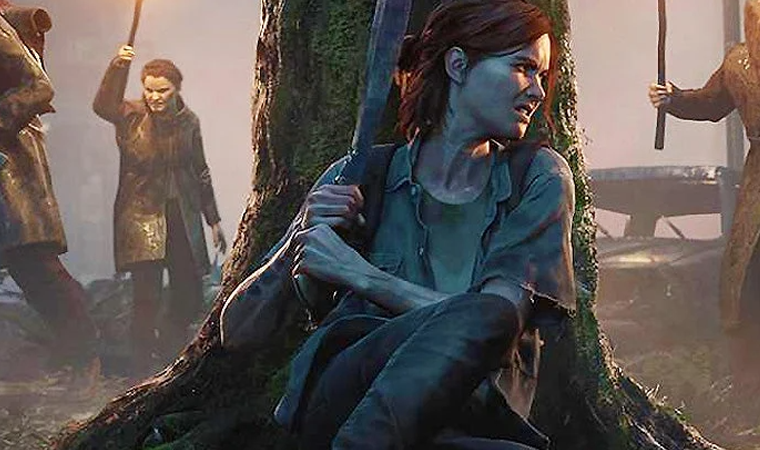
Why Story Games Hit Different
You know that feeling when a game’s credits roll and you just… sit there? Maybe you’re crying. Maybe you’re staring at the screen processing what just happened. Maybe you need to call someone and talk about it. That’s the magic of story-driven games—they don’t just entertain you; they fundamentally affect you in ways that movies and books sometimes can’t match.
The best story games aren’t just about narratives happening around you. They’re about you being inside the story, making impossible choices, forming genuine connections with characters, and experiencing consequences that feel personal because you caused them. When a character dies in a movie, it’s sad. When a character dies in a game because of a choice you made? That’s a different kind of pain entirely.
In 2026, narrative games have reached a level of sophistication that’s genuinely remarkable. Motion capture brings performances to life with cinematic quality. Branching storylines create unique experiences for each player. Writing quality rivals the best television and literature. For emotional players who crave stories that resonate on a deeper level, single player games focused on narrative offer experiences that are simply unmatched in other entertainment mediums.
The Power of Interactive Storytelling
Here’s what makes games special: you’re not watching a tragedy unfold—you’re living it. You’re not observing a character’s growth—you’re guiding it through your choices. This interactivity creates investment that passive media struggles to achieve. When you spend 40 hours with characters, making decisions that shape their fates, the emotional stakes become incredibly high.
Think about it like this: reading about someone climbing a mountain creates empathy. Climbing that mountain yourself—even virtually—creates experience. Narrative games bridge this gap, letting you experience stories rather than just consuming them. The emotions aren’t vicarious; they’re direct.
When Games Make You Feel
Emotional games tap into our humanity in ways that are sometimes uncomfortable and always memorable. They explore grief, loss, love, redemption, sacrifice, and hope through interactive experiences that force us to confront these themes personally. You can’t skip the hard parts or look away—the game asks you to engage with difficult emotions directly.
The best story-driven games respect these emotions. They don’t manipulate for cheap sentiment; they earn your tears, your laughter, your anger. When these games break your heart, it feels cathartic rather than exploitative. That’s artistry.
What Makes a Great Narrative Game
Character Development That Matters
Great narrative games create characters who feel real—flawed, complex, contradictory. They have histories that inform their present, motivations that make sense (even when misguided), and arcs that feel earned rather than contrived. You remember them like you remember real people in your life.
Character development in games has the advantage of time. A 40-hour game lets you know characters more intimately than a 2-hour movie can. You see them in quiet moments, under pressure, making mistakes, learning, growing. This extended exposure creates bonds that make emotional moments hit harder.
Choices With Real Consequences
The illusion of choice is easy. Real choice—where different decisions create meaningfully different outcomes—is hard. The best story games make choices feel weighty because consequences ripple throughout the narrative. Save this character, and they help you later. Betray this faction, and they remember. Small choices compound into big differences.
Even when games ultimately funnel toward similar endings, the journey shaped by your choices creates your unique experience. Two players can finish the same game having had completely different emotional experiences based on their decisions.
Emotional Pacing and Payoff
Great narratives understand rhythm—when to hit hard, when to let you breathe, when to build tension, when to release it. Story games that respect pacing create journeys that feel satisfying even when they’re devastating. They earn their big moments through proper buildup and give you time to process before moving on.
The best story-driven games also understand that not every moment needs to be epic. Quiet character interactions, peaceful exploration, mundane activities between intense sequences—these create contrast that makes emotional peaks land with more impact.
Best Story Games That Will Destroy You
The Last of Us Series – Brutal Beautiful Tragedy
Why Part II Divided Everyone
The Last of Us Part II is perhaps the most divisive story game ever made, and that’s exactly what makes it remarkable. Naughty Dog crafted a revenge narrative that deliberately makes you uncomfortable, forcing you to embody perspectives you might not want to understand. It’s about the cycle of violence and how revenge destroys everyone it touches—perpetrators and victims alike.
The game’s structure—making you play as the person who killed a beloved character—was controversial precisely because it was effective. It forced empathy where players didn’t want to give it. Some found this brilliant; others felt manipulated. Regardless of your take, you can’t deny the game provoked genuine emotional responses and discussions that continue years later.
The Relationship That Started It All
The original Last of Us remains a masterclass in interactive storytelling. Joel and Ellie’s relationship evolves naturally over their journey across post-apocalyptic America. The ending—Joel’s selfish, understandable, unforgivable choice—creates moral ambiguity that players still debate. The emotional core isn’t the zombies or the adventure; it’s watching a broken man learn to love again and then choosing that love over humanity’s potential salvation.
Red Dead Redemption 2 – The Outlaw’s Redemption
Arthur Morgan’s journey from brutal outlaw to man seeking redemption is gaming’s finest character study. The game takes its time—sometimes to a fault—but that deliberate pacing lets you truly inhabit Arthur’s life. You feel his loyalty to Dutch, his growing doubts, his attempts to do right even while doing wrong.
The ending, where Arthur’s fate is sealed and he spends his final chapters trying to help others escape the life that’s killing him, is devastating because you’ve lived alongside him for 60+ hours. His quiet moments of reflection, his journal entries showing his internal struggle, his interactions with gang members—every detail builds toward an ending that feels both inevitable and tragic.
God of War (2018) – A Father’s Journey
Kratos—the rage-filled god slayer from previous games—becoming a father trying (and often failing) to connect with his son created one of gaming’s most compelling narratives. The journey through Norse realms is ostensibly about spreading ashes, but it’s really about a man confronting his violent past while trying to be better for his child.
The relationship between Kratos and Atreus evolves beautifully. The single-shot camera never cuts away, keeping you present for every moment of their journey. By the end, when Atreus learns the truth about his father and they truly understand each other, it’s earned through hours of growth, mistakes, and small moments of connection.
Emotional Games That Broke Us
Life Is Strange – Time Travel and Consequences
That Impossible Final Choice
Life Is Strange builds toward one of gaming’s most gut-wrenching decisions: sacrifice your best friend to save a town, or let the town die to save her. The game spends its entire runtime developing your connection to Chloe while also making you care about Arcadia Bay’s residents. The final choice isn’t about right or wrong—it’s about which impossible loss you can live with.
What makes this choice devastating is that the game respects both decisions. It doesn’t judge you. It simply asks: what do you value more? And whatever you choose, you’ll question it afterward.
Max and Chloe’s Bond
The relationship between Max and Chloe is Life Is Strange’s heart. Reunited childhood friends navigating adolescence, trauma, and supernatural mysteries—their bond feels authentic because it’s messy. They hurt each other, support each other, grow together. Whether you interpret their relationship as romantic or platonic, the emotional core remains: they’re the most important people in each other’s lives.
What Remains of Edith Finch – Family Tragedy
This walking simulator tells the story of a cursed family through vignettes exploring how different family members died. It sounds morbid—it is—but it’s also beautiful, creative, and profoundly moving. Each death is presented through unique gameplay mechanics that match that person’s story, creating variety while building toward an understanding of family, loss, and how stories define us.
The game’s ultimate revelation—about Edith herself and the nature of the curse—recontextualizes everything, turning what seemed like separate tragedies into a cohesive, heartbreaking whole. It’s a 2-3 hour experience that will stay with you for years.
Spiritfarer – Death and Goodbye
Spiritfarer is about caring for spirits on their way to the afterlife—essentially, it’s a game about saying goodbye to people you’ve grown to love. You build relationships, fulfill their final wishes, and ultimately ferry them to death. It’s Animal Crossing meets the afterlife, and it’s devastatingly beautiful.
The genius is making you actively participate in these goodbyes. You’re not watching characters die; you’re helping them accept death, hugging them one last time, and literally guiding them through the door. The game treats death with grace and compassion, making each goodbye feel both sad and peaceful.
Single Player Games With Unforgettable Stories
Disco Elysium – Detective Noir Masterpiece
Disco Elysium is a narrative RPG where you play a detective with amnesia trying to solve a murder while also figuring out who you are—or deciding who you want to become. The writing is extraordinary, blending hard-boiled detective fiction with philosophical discourse, political satire, and genuine pathos.
What makes Disco Elysium special is how your character’s internal voices—different aspects of his psyche—argue with each other and comment on situations. The game explores addiction, failure, politics, and the possibility of redemption through layers of brilliant dialogue. There’s no combat; the entire game is conversation, investigation, and internal struggle. It’s proof that narrative games can be literary while still being games.
Firewatch – Mystery in the Wilderness
Firewatch is a short, focused story about a man escaping his life by taking a summer job as a fire lookout in Wyoming. His only contact is his supervisor Delilah, who he talks to via radio. What starts as a simple mystery evolves into something more personal—a story about running from problems, human connection, and the gap between fantasy and reality.
The relationship between Henry and Delilah is the game’s core. The voice acting is phenomenal, the banter feels natural, and the slow development of their connection feels genuine. The ending frustrated some players for subverting expectations, but that’s exactly why it works—it’s about real life intruding on escapist fantasy.
A Plague Tale Series – Siblings vs the World
A Plague Tale follows siblings Amicia and Hugo surviving in plague-ravaged medieval France while being hunted by the Inquisition. The gameplay involves stealth and using swarms of rats to solve puzzles and defeat enemies, but the story is about the bond between siblings and how far you’d go to protect family.
Requiem, the sequel, raises the stakes while deepening character relationships. Hugo’s supernatural connection to the rats comes with terrible costs, and Amicia’s desperation to save him drives the narrative toward tragedy. The relationship between the siblings is beautifully portrayed, making you genuinely care about their fate.
Narrative Games That Tackle Heavy Themes
Hellblade: Senua’s Sacrifice – Mental Illness
The Voices in Her Head
Hellblade portrays psychosis with unprecedented respect and accuracy. Protagonist Senua hears voices—sometimes encouraging, often cruel—that represent her mental illness. The game uses binaural audio to place these voices around you, creating an uncomfortable, immersive experience of auditory hallucinations.
The voices comment on your performance, plant seeds of doubt, mock your failures. They’re part of Senua, representing both her illness and her internal monologue. The game never treats this as something to “cure” but as part of who she is—something to manage, understand, and sometimes embrace.
Why This Game Matters
Hellblade collaborated with neuroscientists and people living with psychosis to portray mental illness authentically. It’s not horror; it’s empathy-building. The game shows how terrifying mental illness can be while also depicting the strength required to live with it. Senua is a warrior not despite her psychosis but alongside it.
This War of Mine – Civilian Survival
Most war games let you play soldiers. This War of Mine puts you in the shoes of civilians trying to survive in a besieged city. You make impossible choices—rob a elderly couple for their food, send a sick person on a dangerous supply run, let a stranger into your shelter knowing you don’t have enough resources.
The game’s genius is making you feel the weight of these decisions. Characters develop depression, refuse to follow immoral orders, or break down entirely. It’s not fun in traditional senses; it’s harrowing, stressful, and emotionally draining. It’s also important—showing war from perspectives games usually ignore.
That Dragon, Cancer – Grief and Loss
That Dragon, Cancer is one couple’s attempt to process their young son’s terminal cancer diagnosis through interactive storytelling. It’s autobiographical, deeply personal, and absolutely devastating. You experience moments from Joel’s life through his parents’ perspective—hospital visits, moments of hope, crushing disappointments.
This game is difficult to recommend because it’s so raw and painful. There’s no traditional “gameplay”—it’s interactive poetry about grief, faith, and loving someone you’re losing. It’s not escapism; it’s confrontation with mortality and loss. But for those who’ve experienced similar grief, it can be cathartic to see their feelings acknowledged so honestly.
Story-Driven RPGs Worth Your Tears
Final Fantasy VII Remake – Loss and Identity
The FFVII Remake takes a beloved classic and expands it into a full narrative experience. The relationships between Cloud, Tifa, Aerith, and Barret are given room to breathe. The game explores trauma, identity, environmentalism, and the weight of predestination.
For those who played the original, the remake plays with nostalgia while hinting at changes to the known story. The relationship between Cloud and Aerith is particularly poignant for players who know her ultimate fate. The game balances action with quiet character moments that make you care deeply about these people.
Persona 5 Royal – Finding Your True Self
Persona 5 Royal is a 100+ hour JRPG about high school students who are also supernatural thieves fighting societal corruption. It sounds absurd—it is—but beneath the stylish gameplay is a story about outcasts finding belonging, confronting personal demons, and discovering your authentic self.
The game’s social simulation elements create genuine bonds between characters. You spend time with them, learn their stories, help them overcome their struggles. By the end, they’re not just party members—they’re friends you’ve invested in emotionally. The final arc, where everything comes together and these friendships are tested, is genuinely powerful.
Baldur’s Gate 3 – Choice-Driven Epic
Baldur’s Gate 3 combines traditional fantasy RPG storytelling with unprecedented player choice and reactivity. Every character in your party has deep backstories and personal quests that interweave with the main narrative. The game remembers your choices and relationships, creating unique playthrough experiences.
The companion characters are brilliantly written—flawed, complex, and capable of genuine growth based on your influence. Romances feel earned, friendships feel authentic, and betrayals sting. The game respects player agency while crafting a compelling narrative, achieving the difficult balance between freedom and storytelling.
Mass Effect Trilogy – Space Opera Perfection
The Mass Effect trilogy remains the gold standard for sci-fi video game storytelling. Commander Shepard’s journey to save the galaxy creates dozens of memorable characters, moral dilemmas, and moments that stick with you forever. The ability to carry decisions across three games makes your choices feel genuinely impactful.
Characters like Garrus, Tali, Mordin, and Thane become beloved companions. Their loyalty missions aren’t just side content—they’re essential character development that makes the inevitable losses in the trilogy devastating. When characters die because of your choices or sacrifice themselves for the greater good, it hurts because you’ve spent dozens of hours building relationships with them.
Short But Impactful Story Games
To the Moon – Two Hours of Tears
To the Moon is a 2-3 hour indie RPG about doctors who use memory manipulation to grant dying people’s final wishes by changing their memories. The story follows their latest patient, an elderly man who wants to go to the moon but can’t remember why.
What unfolds is a beautiful, heartbreaking love story told in reverse—piecing together a life from end to beginning. The reveal of why the moon matters is devastating. The game manipulates your emotions expertly, and by the end, you will be sobbing. It’s short, simple, and emotionally perfect.
GRIS – Wordless Emotional Journey
GRIS is a platformer without words, telling its story through visuals, music, and gameplay. You play as a girl processing grief, moving through a world that’s literally colorless at the start, slowly restoring color and life as you progress.
The game is a metaphor for moving through stages of grief—denial, anger, bargaining, depression, acceptance. Each area represents these stages through environmental storytelling and gameplay mechanics. It’s beautiful, meditative, and deeply moving despite (or because of) its lack of dialogue. Sometimes emotions transcend language.
Journey – Silent Connection
Journey is about traveling across a desert toward a distant mountain. You occasionally encounter other players, but you can’t speak—only communicate through musical chimes. Despite this limitation, Journey creates profound moments of connection between strangers.
The emotional impact comes from the companionship you form without words. Helping each other through challenges, sticking together despite having no obligation to, finally reaching the summit together—these create genuine emotional bonds with anonymous players you’ll never meet again. The ending is transcendent.
Games With Multiple Endings That Matter
Detroit: Become Human – Android Revolution
Detroit: Become Human presents a branching narrative where androids develop consciousness and fight for rights. The game follows three android protagonists, and your choices dramatically affect the story. Characters can die permanently, entire storylines can be closed off, and the ending varies wildly based on your decisions.
The game explores themes of consciousness, civil rights, and what it means to be “alive.” While sometimes heavy-handed, the emotional moments land—especially Kara’s storyline, where an android mother protects a human child. The endings range from hopeful liberation to devastating genocide, all determined by your choices.
The Witcher 3 – Every Choice Counts
The Witcher 3’s main quest about finding Ciri is relatively straightforward, but the journey shapes the ending dramatically. Small choices throughout the game—how you treat Ciri, what advice you give, whether you let her make her own decisions—determine her ultimate fate.
The game’s genius is hiding which choices matter. You make decisions based on what feels right, not because you’re trying to achieve a specific ending. When you reach the conclusion and realize how your treatment of Ciri throughout the adventure determined whether she lives or dies, the weight of your choices becomes clear.
Undertale – Morality Redefined
Undertale is an RPG where you don’t have to kill anyone. You can talk, joke, or spare every enemy. The game remembers everything you do and judges you for it. Genocide runs are explicitly designed to make you feel terrible for your actions, while pacifist runs reward mercy.
The game’s emotional impact comes from the relationships you build with characters—especially the skeleton brothers Sans and Papyrus. Depending on your choices, these relationships lead to heartwarming friendships or soul-crushing betrayals. The game doesn’t just track what you do; it makes you feel the consequences emotionally.
Why Some Stories Work Better as Games
Player Agency Creates Investment
When you’re making the choices, the story becomes yours in ways passive media can’t achieve. You’re not watching someone else’s tragedy—you’re living it. This agency creates investment and emotional stakes that persist even in linear narratives because you’re actively participating rather than observing.
Interactive Grief and Joy
Games let you experience emotions interactively. Instead of watching someone grieve, you experience their grief through gameplay—maybe the controls become sluggish to represent depression, or the world loses color, or game mechanics change. This interactive embodiment of emotion creates understanding beyond intellectual comprehension.
The Power of Choice
Even the illusion of choice matters. Feeling like you could have done something differently, wondering if a different choice would’ve changed outcomes, replaying to see alternate paths—these are experiences unique to games. The “what if” haunts you because you were the one making decisions.
Hidden Gems in Narrative Gaming
Outer Wilds – Exploration and Discovery
Outer Wilds is a space exploration game with a time loop—every 22 minutes, the sun goes supernova and resets. You retain knowledge but nothing else, creating a game about piecing together a cosmic mystery through exploration and discovery.
The emotional impact sneaks up on you. As you uncover the story of an ancient civilization and understand the nature of the universe, the game becomes a meditation on mortality, legacy, and the inevitability of endings. The conclusion is both heartbreaking and beautiful—a perfect expression of accepting what you cannot change.
Return of the Obra Dinn – Detective Puzzle
Obra Dinn is a detective game where you investigate a ship whose entire crew died or vanished mysteriously. Using a magical watch, you witness the moment of each person’s death and must identify who they were and how they died.
What starts as an puzzle game becomes emotionally affecting as you piece together individual tragedies and understand the human stories behind each death. The final moments, when you submit your complete report and see confirmation of fates you’d puzzled over for hours, create a surprisingly emotional sense of closure.
Immortality – Meta Narrative Mystery
Immortality is about a missing actress—you watch scenes from her three (fictional) films and piece together what happened to her. The game blends film analysis, detective work, and psychological horror into a narrative about obsession, art, and identity.
The game’s story is deliberately obtuse, requiring you to work for understanding. Once the narrative clicks and you realize what’s actually happening, it’s genuinely unsettling and thought-provoking. It’s a game about watching, being watched, and the parasocial relationships between performers and audiences.
Story Games by Emotional Impact
Games That Make You Cry
Looking specifically for tear-jerkers? The Last of Us, To the Moon, Spiritfarer, What Remains of Edith Finch, Life Is Strange, and The Walking Dead Season 1 are virtually guaranteed to destroy you emotionally. They’re designed around emotional climaxes that earn your tears through character development and storytelling.
Games That Make You Think
For games that provoke thought more than tears—though they can do both—try Disco Elysium, Outer Wilds, Soma, Papers Please, and The Stanley Parable. These games engage your mind and emotions simultaneously, creating experiences that demand processing and reflection.
Games That Stay With You
Some games linger long after completion. Hellblade’s portrayal of psychosis changes how you think about mental illness. This War of Mine makes you consider civilian war experiences. That Dragon, Cancer forces confrontation with mortality. These games don’t just entertain—they fundamentally shift perspectives.
How to Prepare for Emotional Story Games
Setting the Right Atmosphere
Emotional games deserve proper atmosphere. Play in a quiet space without distractions. Use good headphones—audio design is crucial for immersion. Consider playing at night when you’re naturally more introspective. Dim the lights. Give these stories the attention they deserve.
When to Take Breaks
Some story games are emotionally exhausting. It’s okay to take breaks during heavy sections. You don’t have to binge these experiences. Sometimes stepping away and processing before continuing actually enhances the impact. Listen to your emotional state.
Processing Heavy Content
After finishing an emotionally heavy game, give yourself time to process. Talk to friends who’ve played it. Read analyses and discussions. Journal about your thoughts. These stories deserve reflection, not immediate jumping into another game. Sit with the feelings for a while.
Conclusion
Story-driven games offer something unique in entertainment—interactive narratives that create genuine emotional connections through player agency and engagement. The best story games don’t just tell you a story; they let you live it, making choices that feel weighty because consequences are yours to bear. Whether you’re drawn to emotional games that explore heavy themes, narrative games focused on character relationships, or single player games offering epic adventures, the current landscape offers unprecedented depth and variety.
For emotional players who crave experiences that resonate beyond simple entertainment, these games provide catharsis, perspective, and connection. They make us cry, think, and ultimately feel more human by exploring the depths of human experience through interactive storytelling. The games highlighted here represent the pinnacle of narrative gaming—stories that leverage the unique strengths of the medium to create experiences impossible in any other form.
So grab some tissues, clear your schedule, and prepare for narratives that will stick with you for years. These aren’t just games—they’re journeys through human emotion, packaged as interactive experiences that respect your intelligence, engage your empathy, and occasionally break your heart in the most beautiful ways possible. The story games you play this year might just change how you see stories forever.
FAQs
1. What are the best story games for someone who doesn’t usually play video games?
For newcomers to gaming, start with narrative games that emphasize story over complex mechanics: What Remains of Edith Finch (2-3 hours, walking simulator with minimal controls), Firewatch (simple movement and dialogue choices), Life Is Strange (point-and-click adventure with straightforward gameplay), To the Moon (basic RPG movement with emotional story), or GRIS (simple platforming with no death penalty). These games prioritize storytelling and don’t require fast reflexes or gaming expertise. They’re perfect entry points that showcase why story-driven games are special without overwhelming new players with complicated controls. Avoid starting with mechanically complex games like The Witcher 3 or challenging titles like The Last of Us Part II—save those for after you’re comfortable with basic game controls.
2. How long do most story-driven games take to complete?
Single player games vary dramatically in length. Short experiences (2-5 hours): To the Moon, What Remains of Edith Finch, GRIS, Journey, Firewatch. Medium games (10-20 hours): Life Is Strange, A Plague Tale, Hellblade, Detroit: Become Human, most Telltale games. Long games (30-60 hours): The Last of Us series, Red Dead Redemption 2, God of War, The Witcher 3, Persona 5 Royal. Epic RPGs (60-100+ hours): Baldur’s Gate 3, Mass Effect trilogy, Final Fantasy games. For emotional players, sometimes shorter is better—games like Edith Finch deliver concentrated emotional impact without requiring massive time investment. Longer games create deeper character bonds but demand significant commitment. Choose based on your available time and preference for concentrated vs extended narratives.
3. Are story games just interactive movies, or is there actual gameplay?
This varies dramatically. Walking simulators like Edith Finch or Firewatch focus almost entirely on narrative with minimal gameplay mechanics. Narrative adventures like Life Is Strange or Detroit: Become Human add puzzle-solving and choice-making. Story-driven action games like The Last of Us or God of War combine cinematic storytelling with substantial combat and gameplay systems. RPGs like The Witcher 3 or Baldur’s Gate 3 offer hundreds of hours of gameplay alongside narrative. The “interactive movie” criticism usually targets games prioritizing story over mechanics, but many emotional games successfully blend both. If you want gameplay alongside story, choose action-adventure titles or RPGs. If you prefer pure narrative focus, walking simulators and narrative adventures excel. Neither approach is better—they serve different preferences.
4. Can story-driven games really be as emotionally impactful as movies or books?
Absolutely—often more so. The key difference is agency and time investment. When you control a character’s actions, make their decisions, and spend 30-60 hours with them, emotional investment deepens beyond what 2-hour movies typically achieve. Games like The Last of Us, Red Dead Redemption 2, or Life Is Strange create genuine grief when characters die because you’ve lived alongside them, not just watched them. The interactivity makes emotions feel personal—in a movie, characters die; in a game, characters die because of choices you made or because you failed to protect them. This creates guilt, responsibility, and emotional connection passive media struggles to match. Books can create similar depth through time investment, but games add the dimension of embodiment—you don’t read about someone’s journey; you experience it. Different emotional games excel in different ways, but at their best, they’re absolutely as impactful as the finest books and films.
5. What should I play first if I want to experience the best narrative gaming has to offer?
Start with The Last of Us (2013 remastered or remake) as your introduction to story-driven action games—it’s the perfect blend of gameplay and narrative that demonstrates what makes games unique as storytelling medium. Follow with What Remains of Edith Finch for a short, focused narrative experience. Then try Life Is Strange to understand choice-based storytelling. From there, branch based on preference: Red Dead Redemption 2 for western epic, God of War (2018) for father-son relationship, Disco Elysium for literary RPG, Mass Effect Legendary Edition for sci-fi trilogy. This progression introduces you to different narrative styles while building from accessible to more complex. Avoid starting with divisive games like The Last of Us Part II or mechanically complex titles like The Witcher 3—save those for when you understand your narrative preferences better.
3 Comments
jilibdt
[49]jilibdt Official Login | সেরা অনলাইন স্লট গেম ও বিকাশ পেমেন্ট,jilibdt অফিশিয়াল লগইন করে সেরা স্লট গেমগুলো খেলুন। অ্যাপ ডাউনলোড করে বিকাশ পেমেন্টের মাধ্যমে দ্রুত লেনদেন করুন এবং গেমের নিয়ম জেনে আজই শুরু করুন। visit: jilibdt
phjilibet888
Best place for big wins. I love how easy it is to navigate the site on my phone. Check out phjilibet888 if you want some real action.
7sjilicomlogin
The login process is super quick and I haven’t faced any glitches so far. Great job on the optimization! 7sjilicomlogin