
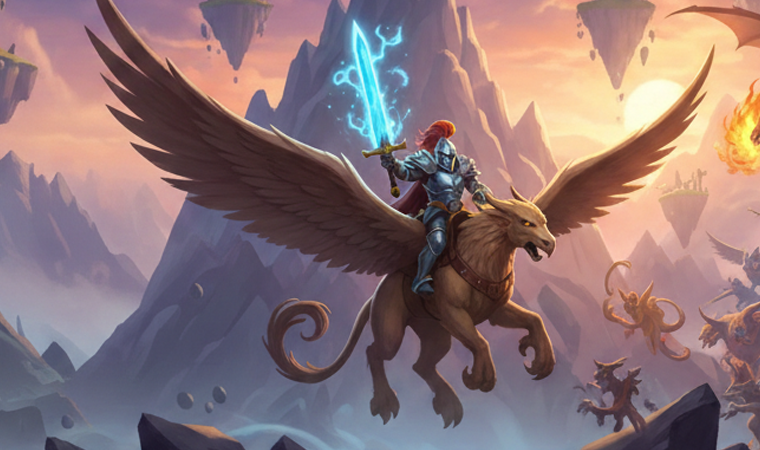
The Mobile Gaming Revolution in 2026
Remember when mobile gaming meant simple time-wasters like Snake on old Nokia phones? Those days are ancient history. In 2026, mobile games generate more revenue than console and PC gaming combined, with billions of players worldwide carrying powerful gaming devices in their pockets. Mobile gaming has evolved from casual distraction to legitimate entertainment medium rivaling traditional gaming platforms.
The transformation has been remarkable. Today’s smartphones pack processing power that would have seemed impossible just a few years ago. Console-quality graphics run smoothly on devices you can hold in one hand. The best Android and iOS games deliver experiences that blur the line between mobile and traditional gaming. Whether you’re waiting for coffee, commuting on a train, or relaxing at home, mobile games provide instant entertainment tailored to your available time.
This comprehensive guide explores the mobile gaming landscape in 2026, highlighting trends you absolutely need to know. We’ll cover the top mobile games 2026 offers, share essential mobile gaming tips, and help you navigate the explosive world of smartphone gaming. Let’s dive into the pocket-sized gaming revolution.
Why Mobile Games Dominate the Gaming Industry
Accessibility and Convenience
Mobile games succeed because they’re always with you. No need for dedicated gaming hardware, TV access, or finding time to sit at a computer. Your phone is already in your pocket, making gaming accessible anytime, anywhere. This convenience factor is impossible to overstate—it’s transformed gaming from planned activity into seamless part of daily life.
The business model contributes too. Most mobile games are free to download and play, removing barriers to entry. You can try dozens of games without financial commitment, discovering what you enjoy. This accessibility democratizes gaming—you don’t need expensive consoles or gaming PCs to enjoy high-quality gaming experiences.
The Power of Modern Smartphones
Today’s flagship smartphones rival gaming consoles in raw power. Processors like Snapdragon 8 Gen 3 and Apple’s A17 Pro chip deliver incredible performance. These devices feature dedicated gaming modes, advanced cooling systems, and displays with 120Hz+ refresh rates. The gap between mobile and console gaming continues shrinking as smartphone technology advances.
Mobile games now leverage these powerful specifications. Ray tracing appears in mobile games. Advanced physics simulations run smoothly. The graphical fidelity of top mobile games 2026 genuinely impresses, with some titles approaching current-gen console visual quality. The “mobile games look bad” stereotype is completely outdated.
Top Mobile Games 2026: The Must-Play Titles
Battle Royale and Competitive Games
PUBG Mobile and Call of Duty Mobile Evolution+

Battle royale games remain massively popular on mobile platforms. PUBG Mobile continues evolving with new maps, modes, and competitive seasons. The game’s mobile-specific optimizations make it feel native to smartphones rather than a compromised port. Call of Duty Mobile similarly maintains its position as a premier mobile shooter, with console-quality maps and smooth gunplay optimized for touchscreens.
These games succeed through constant updates. New content drops regularly—limited-time modes, seasonal events, and crossover collaborations keep millions engaged. The competitive scenes have matured too, with professional tournaments offering substantial prize pools and attracting serious talent.
Apex Legends Mobile Updates

Apex Legends Mobile has carved its niche in the competitive mobile gaming space. The game brings the franchise’s signature movement mechanics and character abilities to smartphones, maintaining the fast-paced action that made the original popular. Regular updates introduce new legends, weapons, and map changes, keeping the meta fresh and exciting.
What sets Apex Mobile apart is how it adapts complex PC controls for touchscreens without feeling compromised. The mobile-specific optimizations and intuitive control schemes prove that sophisticated competitive games can work on smartphones when developers invest in proper mobile adaptation.
RPGs and Adventure Games
Genshin Impact Continues to Dominate

Genshin Impact revolutionized mobile gaming by bringing open-world action RPG experiences to smartphones. In 2026, it remains one of the top mobile games, with expansive new regions, compelling storylines, and gorgeous visuals that push mobile hardware limits. The game’s gacha system remains controversial, but the quality of free content keeps millions playing without spending.
What makes Genshin special is how it respects mobile players equally to PC and console users. Cross-save and cross-play mean you can seamlessly switch between devices. The touch controls work remarkably well, and the game runs beautifully on modern smartphones. It’s proof that mobile gaming can deliver experiences previously thought exclusive to traditional platforms.
Honkai: Star Rail’s Growing Community

From the same developers as Genshin Impact, Honkai: Star Rail brings turn-based RPG gameplay to mobile with exceptional production values. The game features stunning visuals, deep character progression, and engaging strategic combat. Its mobile-first design philosophy shows in every aspect—from menu layouts to combat pacing.
The game’s popularity demonstrates that mobile gamers appreciate diverse genres beyond just action and casual games. Strategic depth, compelling narratives, and beautiful presentation resonate with mobile audiences when executed well. Honkai: Star Rail represents the best of modern mobile RPG design.
Casual Games Taking Over
Puzzle Games and Brain Teasers
Casual games dominate the mobile gaming landscape, and puzzle games lead this category. From match-three games to innovative brain teasers, these titles offer quick, satisfying gameplay perfect for short sessions. Games like Wordle-inspired daily puzzles have become cultural phenomena, with millions checking in daily for their brain workout.
The beauty of mobile puzzle games lies in their accessibility. Anyone can understand them within seconds, but depth emerges through mastery. They’re perfect for filling small gaps in your day—waiting rooms, commutes, or just needing a brief mental break.
Hyper-Casual Gaming Phenomena
Hyper-casual games represent mobile gaming’s ultimate accessibility. These ultra-simple games feature one-button or swipe controls, can be learned in seconds, and provide quick dopamine hits. While individual titles rise and fall quickly, the genre itself thrives, with billions of downloads across countless simple but addictive experiences.
Developers have mastered the formula: simple mechanics, satisfying feedback, gradual difficulty curves, and clever level design. These games prove that entertainment doesn’t require complexity. Sometimes you just want to tap, swipe, and enjoy immediate gratification.
Best Android and iOS Games Exclusives
While most major games release on both platforms, some exclusives exist. Apple Arcade offers curated premium games exclusive to iOS, including titles from respected developers. Android benefits from slightly more open ecosystem, occasionally getting games not possible on iOS’s more restrictive platform.
The practical reality is that the best mobile games target both platforms. Developers can’t afford to ignore either ecosystem’s massive user base. However, certain indie developers choose one platform for initial releases, and Apple Arcade’s subscription model has created a space for premium mobile games without free-to-play monetization.
Emerging Mobile Gaming Trends
Cloud Gaming on Mobile Devices
Cloud gaming is transforming mobile possibilities. Services like Xbox Cloud Gaming, NVIDIA GeForce NOW, and PlayStation Plus cloud streaming let you play console and PC games on smartphones. This eliminates hardware limitations—your phone becomes a portal to vast game libraries, with heavy processing happening remotely.
The technology still faces challenges—latency, data usage, and connection stability affect experiences. But improvements in 5G networks and cloud infrastructure steadily make cloud gaming more viable. For mobile gamers, this trend means access to AAA titles previously impossible on smartphones.
Cross-Platform Gaming Becomes Standard
Cross-platform play has shifted from novel feature to expected standard. Mobile gamers now regularly play with friends on consoles and PCs. Games like Fortnite, Rocket League, and Minecraft enable seamless multiplayer regardless of platform, with mobile players competing fairly thanks to aim assist and control optimizations.
This trend benefits everyone. Friend groups aren’t divided by platform choices. Player bases stay healthy across all versions. Mobile versions feel less like second-class citizens and more like equal participants in unified gaming ecosystems.
AI-Powered Gaming Experiences
Artificial intelligence is enhancing mobile games in numerous ways. AI-driven NPCs behave more realistically. Procedural generation creates unique content. AI assists with personalization, adapting difficulty and content recommendations to individual players. Some games use AI for dynamic storytelling, where narratives branch based on player choices in sophisticated ways.
Mobile gaming benefits particularly from AI because it can enhance experiences without requiring powerful local hardware. Cloud-based AI processing enables sophisticated features on mid-range smartphones, democratizing advanced gaming experiences.
Subscription Services and Game Pass Models
Subscription gaming services are reshaping mobile monetization. Apple Arcade pioneered the model on mobile, offering ad-free, in-app-purchase-free games for monthly fees. Google Play Pass followed. Now, various publishers offer subscriptions providing access to game libraries, removing the free-to-play grind.
These services appeal to players tired of aggressive monetization in free games. For one monthly fee, subscribers access dozens or hundreds of quality games without additional costs. As these services expand and improve their offerings, they represent significant shifts in how mobile gaming is consumed and monetized.
The Rise of Casual Games
Why Casual Gaming Appeals to Everyone
Casual games have conquered mobile because they respect your time and attention. They don’t demand hours-long sessions or steep learning curves. You can meaningfully engage in 30-second bursts or 5-minute sessions. This flexibility fits modern lifestyles where gaming competes with countless other demands on attention.
The stigma around casual gaming has disappeared. Everyone plays mobile games—from executives on lunch breaks to retirees keeping their minds sharp with daily puzzles. Casual games’ accessibility means gaming is no longer niche hobby but universal entertainment medium.
Quick Sessions, Big Entertainment
The best casual games deliver complete experiences in minutes. A puzzle game level, a quick match, a brief adventure chapter—these bite-sized experiences provide satisfying gameplay without requiring extended time commitments. This design philosophy respects that mobile gamers often play opportunistically, fitting gaming into life’s gaps.
This doesn’t mean shallow experiences. Many casual games feature surprising depth—metagame progression, strategic considerations, and skill development occur across many short sessions. The surface simplicity hides layers that reveal themselves to engaged players.
Social Features in Casual Games
Casual games excel at social integration. Leaderboards comparing scores with friends create friendly competition. Sending lives or gifts maintains connections. Some games cleverly interweave social features into core gameplay, making interactions with friends central to the experience.
These social hooks keep players engaged beyond the core gameplay. The desire to outperform friends or help them creates retention that pure gameplay alone might not achieve. It’s social gaming refined for modern mobile platforms.
Smartphone Gaming Hardware Improvements
Gaming-Focused Smartphones
Specialized gaming smartphones have emerged as a niche category. Devices like ASUS ROG Phone, Lenovo Legion Phone, and Nubia RedMagic feature active cooling, ultra-high refresh rate displays, shoulder buttons, and aggressive gamer aesthetics. These phones prioritize gaming performance above all else.
For serious mobile gamers, these devices provide tangible advantages—sustained performance during long sessions, better controls, and displays optimized for competitive gaming. They’re overkill for casual players but represent the pinnacle of mobile gaming hardware.
Controllers and Accessories
Mobile gaming accessories have matured significantly. Bluetooth controllers clip onto smartphones, providing console-like controls. Backbone and Razer Kishi offer integrated controller solutions. Triggers add additional inputs. Cooling fans prevent thermal throttling. The accessory ecosystem transforms smartphones into versatile gaming devices.
These accessories particularly benefit games with complex controls. Playing Call of Duty Mobile or Genshin Impact with a controller feels dramatically better than touchscreen controls for many players. The accessories bridge the gap between mobile convenience and traditional gaming ergonomics.
Display Technology and Refresh Rates
Modern smartphone displays have become gaming powerhouses. OLED technology delivers perfect blacks and vibrant colors. Refresh rates of 120Hz, 144Hz, or even 165Hz provide buttery-smooth motion. Touch response times have decreased, reducing input lag. These improvements make mobile gaming feel more responsive and visually impressive.
High refresh rate displays particularly benefit competitive mobile gaming. The smoother motion provides competitive advantages in fast-paced games, helping players track movement and aim more accurately. Once you’ve experienced 120Hz+ mobile gaming, standard 60Hz feels noticeably less responsive.
Mobile Gaming Tips for Better Performance
Optimizing Your Device Settings
Maximize mobile gaming performance through proper settings. Enable gaming modes that prioritize performance over battery life. Close background apps consuming resources. Adjust in-game graphics settings finding the sweet spot between visual quality and performance. Many games offer preset quality levels—start with recommended settings, then adjust based on your device’s capabilities.
Keep your operating system and games updated. Developers constantly optimize performance, and updates often bring significant improvements. Restart your device occasionally to clear memory and ensure optimal performance. These simple habits dramatically improve gaming experiences.
Battery Management for Extended Play
Mobile gaming drains batteries rapidly. Manage this by reducing screen brightness to comfortable levels—maximum brightness is rarely necessary. Enable battery saver modes when not gaming to preserve charge for when you want to play. Portable battery packs extend gaming sessions when away from outlets.
For extended sessions, playing while charging is fine, though it generates more heat. Consider removing cases during intensive gaming to improve heat dissipation. Many gaming-focused phones include battery care features limiting charge to 80% when always plugged in, reducing long-term battery degradation.
Network Optimization for Online Gaming
Online mobile games demand stable, fast connections. WiFi generally provides better performance than cellular data—lower latency and no data cap concerns. Position yourself near routers for strongest signals. If using cellular, 5G offers dramatically better gaming performance than 4G, with lower latency and higher bandwidth.
Some games offer network optimization settings—enable them. Close other apps using bandwidth during gaming. If lag persists, consider mobile gaming VPNs that route traffic through optimized servers, sometimes reducing ping. Network quality often matters more than raw speed for online gaming.
Storage Management and Game Updates
Modern mobile games are massive. Genshin Impact exceeds 20GB. Call of Duty Mobile approaches similar sizes. Manage storage by uninstalling games you don’t actively play. Many games allow downloading only essential content, deferring optional assets. This reduces initial storage requirements.
Enable automatic updates over WiFi so games stay current without manual management. Alternatively, disable automatic updates if you have limited storage or prefer controlling what updates when. Clear game caches occasionally to recover storage from temporary files.
Monetization Models in Mobile Games
Free-to-Play vs. Premium Games
Free-to-play dominates mobile gaming. These games are free to download and play, monetizing through optional in-app purchases. The model succeeds because it removes barriers—players try games risk-free, paying only if they enjoy them. However, aggressive monetization can create pay-to-win scenarios where spending money provides unfair advantages.
Premium mobile games charge upfront, offering complete experiences without additional purchases. These games often provide better value for serious players, avoiding the nickel-and-diming of free-to-play titles. But premium games struggle with visibility in app stores where free games dominate top charts.
In-App Purchases Done Right
Ethical in-app purchases enhance rather than gate gameplay. Cosmetic items, convenience features, or optional content respect free players while offering value to spenders. Games like Clash Royale and Brawl Stars balance free and paid progression reasonably well—patience allows complete enjoyment without spending.
Predatory monetization creates frustration—pay-to-win mechanics, excessive ads, or artificial difficulty spikes pushing purchases. The mobile gaming community increasingly rejects these practices. The best mobile games 2026 generally feature fairer monetization recognizing that happy free players create vibrant communities attracting spenders.
Battle Passes and Season Content
Battle passes have become standard mobile game features. These progression systems offer rewards for playing regularly during limited seasons. Most feature free tiers accessible to all, with premium tiers offering additional rewards for purchase. This model encourages engagement while providing monetization.
Well-designed battle passes feel rewarding rather than manipulative. Completing them through normal play without excessive grinding is important. The best passes offer value exceeding their cost, making purchases feel like deals rather than extortion. Seasonal content keeps games fresh, giving players new goals and reasons to return.
Ad-Supported Gaming
Many mobile games monetize through advertisements. Players watch video ads for rewards—extra lives, currency, or gameplay boosts. This model allows completely free play for patient players willing to watch ads. Some games offer ad-free experiences through one-time purchases or subscriptions.
The key is respectful implementation. Optional ads that players choose to watch for clear rewards work well. Forced ads interrupting gameplay create frustration. The best casual games balance these approaches, making ads beneficial rather than punishing.
Best Android and iOS Games by Category
Action and Shooter Games
Mobile action and shooter games have evolved tremendously. Beyond Call of Duty Mobile and PUBG Mobile, titles like Shadowgun Legends offer sci-fi shooter experiences. Dead Cells brings roguelike action to mobile beautifully. Brawl Stars provides accessible team-based action. The variety ensures every action preference finds quality options.
These games prove complex action gameplay translates to touchscreens when developers invest in proper controls and mobile optimization. Auto-fire options and aim assist help balance competitive play between touch and controller users.
Strategy and Puzzle Games
Strategy games thrive on mobile. Clash of Clans pioneered mobile strategy and remains popular. Total War-style games like Rome: Total War offer deep tactical gameplay. Puzzle games range from match-three simplicity to The Room’s intricate environmental puzzles.
Mobile’s touch interface actually advantages certain strategy and puzzle games. Direct manipulation of pieces and units feels natural and intuitive. The platform’s strengths align perfectly with these genres’ requirements.
Sports and Racing Games
Sports games bring beloved franchises to mobile. FIFA Mobile, NBA 2K Mobile, and Madden NFL offer authentic experiences. Racing games like Asphalt 9 and Real Racing 3 deliver gorgeous visuals and exciting gameplay. These genres benefit from mobile’s motion controls, allowing steering by tilting devices.
The accessibility of sports and racing games on mobile broadens their audiences. Casual fans enjoy quick matches without needing consoles, while dedicated fans appreciate having their favorite sports experiences portable.
Simulation and Management Games
Simulation and management games found perfect homes on mobile. Stardew Valley brings farming simulation with complete depth of PC version. Cities: Skylines mobile allows city planning on the go. These games suit mobile’s casual engagement—manage your virtual world during breaks throughout the day.
The touch interface works wonderfully for sim games. Tapping buildings to manage them, dragging to place items—these interactions feel natural on smartphones. Time-based progression mechanics common in mobile sims fit casual play patterns well.
Social Gaming and Multiplayer Experiences
Playing with Friends Across Platforms
Cross-platform multiplayer has revolutionized mobile social gaming. You can squad up with console and PC friends in Fortnite, Rocket League, or Minecraft. These shared experiences strengthen mobile gaming’s legitimacy—you’re not playing inferior versions, you’re participating in unified gaming communities.
Voice chat integration through Discord or in-game systems keeps mobile players connected to teams. The social dimension transforms single-player games into communal experiences, making mobile gaming less isolating and more connected.
Guild Systems and Communities
Many mobile games feature guild, clan, or alliance systems. These persistent social groups provide camaraderie, cooperative objectives, and friendly competition. Guild chat becomes daily hangout spaces. Events designed for guilds create shared goals encouraging coordination.
The social structures keep players engaged long-term. Obligations to guild mates, collaborative progress toward goals, and friendships formed through gaming create retention beyond individual gameplay enjoyment. The best mobile games leverage these social systems masterfully.
Competitive Mobile Esports
Mobile esports has legitimized competitive mobile gaming. Games like Mobile Legends, Arena of Valor, and PUBG Mobile host massive tournaments with millions in prize pools. Professional teams, sponsors, and dedicated fans mirror traditional esports, proving mobile competitive gaming deserves respect.
The accessibility of mobile esports—requiring only smartphones rather than expensive gaming rigs—democratizes competitive gaming. Talented players worldwide can compete regardless of economic circumstances, creating more diverse competitive scenes.
Mobile Gaming Platforms and Ecosystems
Google Play Store Evolution
Google Play Store has matured as gaming platform. Improved discovery features help quality games find audiences. Play Pass subscription offers curated game library. Developer tools enable more sophisticated monetization and user engagement. Google Play Games provides unified achievement systems and cloud saves across Android devices.
The open nature of Android allows alternative app stores and direct APK installation, providing more options than iOS’s walled garden. This flexibility benefits both developers and players, though it also introduces security considerations requiring vigilance.
Apple Arcade’s Curated Experience
Apple Arcade represents premium mobile gaming philosophy—pay subscription, access quality games without ads or in-app purchases. The curated selection emphasizes artistic, innovative titles over mass-market appeal. For players tired of free-to-play monetization, Arcade offers refreshing alternative.
The service includes exclusive games from respected developers who might not otherwise develop for mobile. This brings console-style gaming experiences to iOS, expanding what mobile gaming can be. Whether Arcade’s premium approach succeeds long-term remains uncertain, but it’s valuable experiment.
Alternative App Stores and Game Platforms
Beyond Google Play and App Store, alternative platforms exist. Samsung Galaxy Store serves Samsung device users. Amazon Appstore provides another Android option. Epic Games has pushed for alternative app distribution on iOS. These alternatives create competition potentially benefiting consumers through better developer terms and user choices.
Cloud gaming services function as alternative gaming platforms too. Xbox Cloud Gaming, PlayStation Plus cloud streaming, and GeForce NOW transform smartphones into portals for vast libraries without traditional app store limitations.
The Future of Smartphone Gaming
Augmented Reality Integration
AR gaming’s potential remains largely untapped. Pokémon GO proved AR’s appeal, but few games have replicated its success. As AR technology improves and more devices support advanced AR features, expect creative developers to explore this space more aggressively.
Future AR games might blend real and virtual worlds seamlessly. Imagine strategy games where your table becomes the battlefield, or adventure games where your neighborhood transforms into fantasy landscapes. The technology is improving; innovative implementation will follow.
5G and Ultra-Low Latency Gaming
5G networks’ expansion transforms mobile online gaming. Ultra-low latency makes cloud gaming viable, competitive gaming fairer, and multiplayer experiences smoother. The increased bandwidth enables richer online worlds and more complex multiplayer interactions without compromise.
As 5G becomes ubiquitous, developers will design games assuming these capabilities. This will unlock experiences currently impossible on 4G networks, pushing mobile gaming forward technologically.
Wearable Gaming Devices
Smartwatches host simple games now, but wearable gaming might expand. AR glasses could enable new gaming categories. Controllers integrated into wearables could enhance mobile gaming ergonomics. While speculative, wearable gaming represents potential frontier for mobile gaming evolution.
The key is creating meaningful gaming experiences suited to wearable form factors rather than forcing traditional gaming into inappropriate devices. Success requires reimagining what gaming can be on wearables.
Choosing the Right Mobile Games for You
Matching Games to Your Playstyle
Different games suit different preferences. Competitive players gravitate toward multiplayer shooters and battle royales. Story enthusiasts prefer RPGs and narrative adventures. Casual players enjoy puzzle games and quick sessions. Identify what you enjoy in gaming, then seek mobile games delivering those experiences.
Don’t assume mobile means casual. Many mobile games offer deep, complex experiences rivaling traditional gaming. Conversely, if you want simple relaxation, embrace casual games without guilt. Mobile gaming’s strength is variety—something exists for everyone.
Time Commitment Considerations
Consider how much time you have for gaming. Some mobile games demand daily engagement—missing days means falling behind. Others allow sporadic play without penalty. Match games to your available time and commitment level to avoid frustration.
Games designed around quick sessions suit busy schedules better than those requiring extended play. Be honest about your gaming time availability when choosing what to invest in.
Finding Quality Games in Crowded Markets
App stores host millions of games—finding quality needles in those haystacks is challenging. Use curated lists from gaming sites and YouTubers. Read user reviews critically. Try games before investing time or money. Recommendations from trusted sources navigate you toward worthwhile experiences.
Don’t judge games solely by screenshots or descriptions. Many excellent mobile games look unimpressive initially but reveal depth through playing. Conversely, some games with gorgeous marketing deliver shallow experiences. Due diligence prevents wasting time on disappointing games.
Mobile Gaming Communities and Resources
Discord Servers and Social Groups
Mobile gaming communities thrive on Discord. Game-specific servers host thousands discussing strategies, organizing groups, and sharing content. These communities enhance gaming through social connections, helpful resources, and collaborative play opportunities.
Reddit hosts active communities for most popular mobile games too. These spaces provide news, guides, and discussion. Engaging with communities deepens your connection to games and improves your skills through shared knowledge.
YouTube and Streaming Content
YouTube is invaluable for mobile gaming. Gameplay videos showcase games before downloading. Tutorial content teaches advanced strategies. Entertainment content provides gaming enjoyment even when not playing yourself. Many creators specialize in mobile gaming content.
Streaming platforms like Twitch increasingly host mobile gaming content. Watching skilled players improves your own gameplay while providing entertainment. The mobile gaming content ecosystem helps you discover games, improve skills, and stay connected to gaming culture.
Mobile Gaming News and Updates
Stay informed through mobile gaming news sites. Pocket Gamer, Touch Arcade, and others cover releases, updates, and industry news. Following these sources ensures you don’t miss significant releases or important updates to games you play.
Many games have official social media providing update announcements. Following your favorite games keeps you informed about events, patches, and new content. Staying current maximizes your enjoyment and ensures you’re not missing limited-time content.
Conclusion
Mobile gaming in 2026 represents the most dynamic, accessible, and innovative segment of the gaming industry. From the top mobile games 2026 showcasing cutting-edge technology to casual games providing quick entertainment bursts, smartphone gaming offers something for everyone. The best Android and iOS games prove that mobile isn’t a compromise—it’s a legitimate platform delivering experiences ranging from simple puzzles to complex RPGs.
The trends shaping mobile gaming—cloud gaming, cross-platform play, AI integration, and subscription services—point toward an exciting future. As smartphones become more powerful and networks improve, the distinction between mobile and traditional gaming continues blurring. Mobile gaming tips like optimizing settings, managing battery life, and choosing appropriate games help you maximize this incredible entertainment medium that’s literally always with you.
Whether you’re a hardcore gamer appreciating mobile’s convenience or someone discovering gaming through your smartphone, mobile games provide endless entertainment possibilities. The accessibility, variety, and constant innovation make this the golden age of mobile gaming. Your next favorite game is probably waiting in your app store right now—download it and discover why billions of people have embraced smartphone gaming as their primary gaming platform.
FAQs
1. What are the top mobile games 2026 that I should try first?
The top mobile games 2026 span multiple genres. For competitive action, try Call of Duty Mobile or PUBG Mobile—both offer console-quality multiplayer experiences optimized for touchscreens. RPG fans should absolutely play Genshin Impact, which delivers stunning open-world adventures, or Honkai: Star Rail for turn-based strategic depth. Casual gamers can’t go wrong with puzzle games or hyper-casual titles available free in app stores. The best approach is identifying which genre interests you, then trying the highest-rated games in that category. Most mobile games are free to download, making experimentation risk-free.
2. What mobile gaming tips help improve performance on older smartphones?
Optimize older smartphones by lowering in-game graphics settings—prioritize performance over visual quality. Close all background apps before gaming to free resources. Clear cache regularly and uninstall unused apps to free storage. Disable unnecessary visual effects in your phone’s settings. Keep your device updated—software updates often include performance optimizations. Consider using game booster apps that allocate resources toward gaming. Play less demanding casual games rather than graphics-intensive titles if your device struggles. Finally, avoid gaming while charging on older devices as the heat compounds performance issues. These mobile gaming tips extract maximum performance from aging hardware.
3. Are the best Android and iOS games different, or do they overlap?
The best Android and iOS games largely overlap—most major titles release on both platforms simultaneously. Games like Genshin Impact, Call of Duty Mobile, and Clash of Clans work identically across platforms. However, some differences exist: Apple Arcade offers iOS-exclusive premium games without ads or in-app purchases. Android’s more open ecosystem occasionally gets games first or includes titles not permitted on iOS. Performance differences are negligible on modern flagship devices from both platforms. Choose your platform based on device preference rather than game availability, as you’ll access 95%+ of top games regardless of which you choose.
4. How much data do mobile games use, and how can I reduce usage?
Data usage varies dramatically between games. Simple puzzle games use minimal data. Online multiplayer games like PUBG Mobile or Call of Duty Mobile consume 20-50MB per hour of gameplay. Games requiring constant server connections use more than those with offline modes. Reduce data usage by playing on WiFi whenever possible. Disable automatic updates over cellular—schedule them for WiFi. Many games offer low-data modes in settings. Avoid streaming music simultaneously while gaming. Download games and updates over WiFi before playing on cellular. Some games allow downloading assets in advance, reducing active gameplay data consumption.
5. Should I spend money on free-to-play mobile games?
Spending on free-to-play mobile games is entirely personal choice. Many games are completely enjoyable without spending—patience and skill overcome paid advantages in well-designed games. If you genuinely enjoy a game and play it regularly, supporting developers through reasonable purchases is fair. Battle passes often provide excellent value, offering significant content for small costs. Avoid impulse purchases during frustrating moments—those are when predatory games push spending. Set monthly gaming budgets if you do spend. Never spend money you can’t afford to lose. Many top mobile games 2026 are designed to be fully enjoyable without spending—treat purchases as optional enhancements, not necessities.
3 Comments
bd222
[2492]bd222 Official Login | সেরা অনলাইন ক্যাসিনো বোনাস ও স্লট গেম,bd222-এ আজই যোগ দিন এবং আকর্ষণীয় বোনাস উপভোগ করুন। দ্রুত টাকা উত্তোলন পদ্ধতি ও সহজ অ্যাপ ডাউনলোডের সুবিধা নিয়ে আমরা আছি আপনার পাশে। এখনই শুরু করুন। visit: bd222
vngoo88d
Super honest platform with transparent rules. I had a big win last night and the withdrawal was processed almost instantly at vngoo88d.
bjbajiapplogin
Logging in is a breeze and I never face any glitches. It is the most stable app I have used so far. Just head over to bjbajiapplogin.